High temperatures cause blood vessels to dilate, lowering blood pressure and increasing the heart's workload, while sweating depletes fluids and salt — a combination that can lead to heat exhaustion or, in unresolved cases, heatstroke, according to health guidance. The UK Health Security Agency (UKHSA) and the NHS identify older people, young children, those with certain long-term conditions, and people living alone as groups that may be less able to cope with heat.
How hot weather affects the body and who faces greater health risks
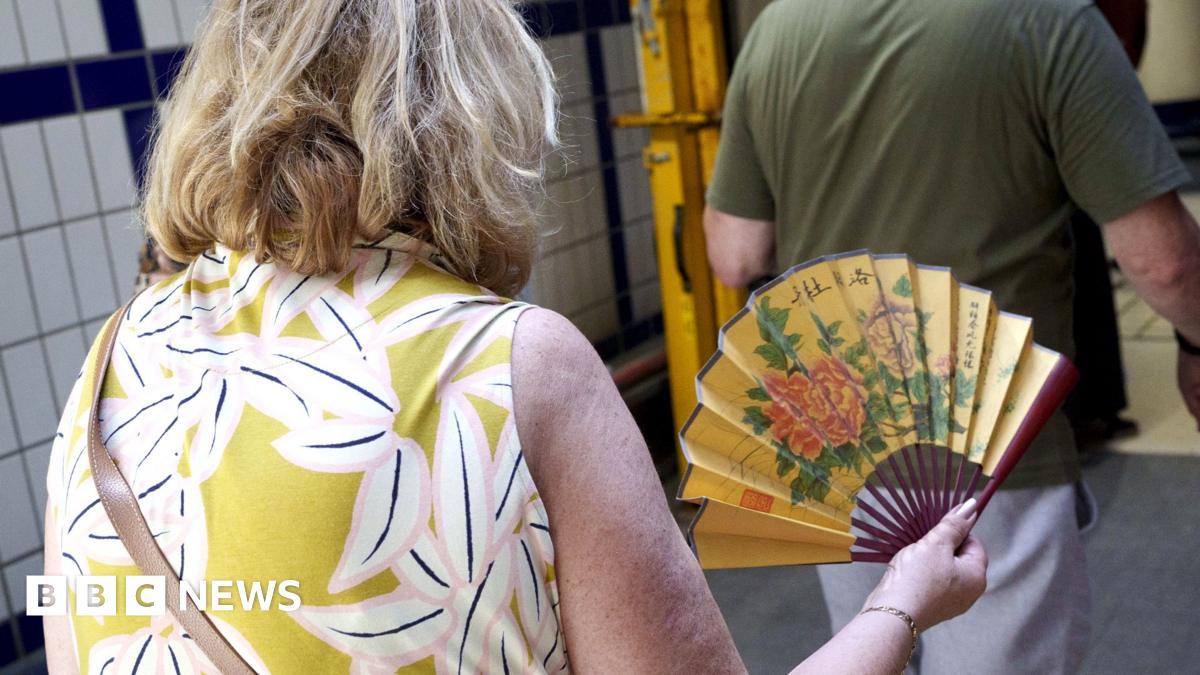
High temperatures cause blood vessels to dilate, lowering blood pressure and increasing the heart's workload, while sweating depletes fluids and salt — a combination that can lead to heat exhaustion or, in unresolved cases, heatstroke, according to health guidance. The UK Health Security Agency (UKHSA) and the NHS identify older people, young children, those with certain long-term conditions, and people living alone as groups that may be less able to cope with heat.
The body maintains a core temperature of approximately 37C by opening blood vessels near the skin and producing sweat, which loses heat as it evaporates. When external temperatures rise, sustaining that core temperature becomes harder, placing additional strain on the cardiovascular system. If blood pressure falls too far, the risk of heart attacks increases.
Mild heat-related symptoms can include heat rash and swollen feet. More significant symptoms of heat exhaustion include dizziness, nausea, fainting, confusion, muscle cramps, headaches, heavy sweating, and tiredness. If a person with heat exhaustion does not recover within 30 minutes, heatstroke — a medical emergency — may follow. Heatstroke can involve cessation of sweating despite elevated body temperature, a temperature above 40C, seizures, and loss of consciousness.
The NHS advises that anyone believed to have heat exhaustion should be moved to a cool place, helped to lie down with feet slightly raised, given water or rehydration drinks, and cooled using sprayed or sponged water, fanning, or cold packs placed around the armpits or neck. If the person does not recover within 30 minutes, the guidance is to call 999.
The UKHSA advises staying out of the sun between 11:00 and 15:00, keeping indoor spaces cool by closing sun-facing curtains, drinking plenty of fluids while limiting alcohol, wearing sunscreen with a high SPF and UVA rating and a wide-brimmed hat, avoiding physical exertion during the hottest part of the day, and carrying water when travelling. No person — and in particular babies, young children, and animals — should be left in a locked vehicle.
Certain medical conditions increase heat-related risk. Diabetes can cause the body to lose water more quickly and may alter blood vessels and the ability to sweat. Heart disease can reduce the body's capacity to manage heat-related cardiovascular strain. Brain conditions such as dementia may leave a person unaware of heat or unable to respond to it. People with limited mobility, those who are homeless, and those living in top-floor properties may also face elevated exposure.
Some medications can amplify heat risk. Diuretics increase water expelled from the body and can worsen dehydration and mineral imbalances. Antihypertensive drugs can combine with heat-induced blood vessel dilation to cause significant blood pressure drops. Certain medications for epilepsy and Parkinson's disease can inhibit sweating. Drugs such as lithium or statins may become more concentrated in the blood if fluid loss is excessive. The NHS states that people should continue taking prescribed medication as normal while focusing on staying cool and hydrated.
According to government data, an estimated 2,985 excess deaths were attributed to heat in England during 2022, the year that recorded the highest temperature in England at 40.3C — the largest such figure recorded in any single year. Estimated heat-associated deaths were 1,311 during summer 2024 and 1,504 during summer 2025. Most heat-related excess deaths are attributed to heart attacks and strokes. The source notes that elevated death rates begin at around 25C–26C, that deaths tend to occur more in spring or early summer than peak summer, and that increases in mortality can appear within the first 24 hours of a heatwave.
- The source does not specify which expert bodies or studies underpin the physiological explanations provided.
- The source does not state which geographic area the excess death figures cover (the linked reports reference England, but this is not stated in the article text itself).
- The source does not define what threshold or methodology is used to classify deaths as 'heat-associated' or 'excess'.
- The source does not provide figures for heat-related deaths in years other than 2022, 2024, and 2025.
- The source does not explain what specific temperature ranges constitute a 'heatwave' for the purposes of the mortality data cited.
- The source does not identify what proportion of the vulnerable groups named actually experience serious harm during hot weather.
- The source does not clarify whether the advice given applies only to the UK or more broadly.
- The source does not state the basis for the claim that behavioural adaptation during summer reduces mortality relative to early-season heat.