Children, and babies in particular, face greater health risks during heatwaves than healthy adults because their bodies absorb heat faster and regulate temperature less effectively, according to heat physiology experts and health guidance cited in a report published as UK temperatures rose again in August 2026.
Why children are more vulnerable to heat and how to protect them
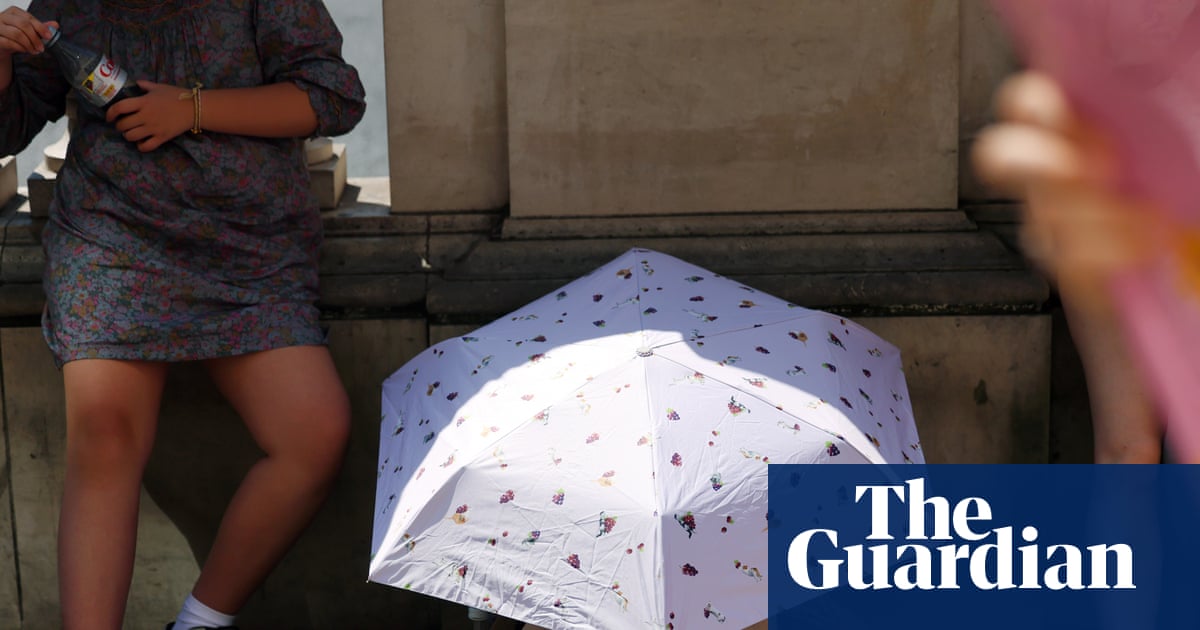
Children, and babies in particular, face greater health risks during heatwaves than healthy adults because their bodies absorb heat faster and regulate temperature less effectively, according to heat physiology experts and health guidance cited in a report published as UK temperatures rose again in August 2026.
The part of the brain responsible for regulating body temperature, the hypothalamus, is not fully developed in children under five, meaning they sweat less and do not reliably sense thirst, according to the report. Children's smaller bodies also give them a greater surface-area-to-mass ratio than adults, causing them to absorb heat faster, and they are more likely to be physically active without pacing themselves, producing higher rates of metabolic heat.
If a child's core temperature continues to rise unchecked, heat exhaustion can progress to heatstroke — defined by the British Red Cross as occurring when the brain's thermostat fails. Signs of heatstroke include hot, flushed and dry skin, worsening confusion, restlessness, and a body temperature above 40C, and it is classified as a medical emergency. Overheating also raises the risk of sudden infant death syndrome in babies.
During a June 2026 heatwave in the UK, one in six babies were living in overheated homes, according to research by housing activists cited in the report. Some parents reportedly booked air-conditioned hotel rooms to keep children cool.
The UK National Health Service recommends keeping a newborn's room between approximately 16C and 20C. Fans should circulate air around a baby rather than be directed at them, and cool damp cloths can be applied to the baby's body if no fan is available, with regular checks to ensure the infant does not become too cold.
- The source does not state the methodology or sample size behind the finding that one in six babies in England were living in overheated homes during the June 2026 heatwave.
- The source does not identify or further describe the housing activists who conducted the overheated-homes research.
- The source does not state the date or precise circumstances of the COBRA emergency meeting referenced in the opening link.
- The source does not provide the National Health Service's full guidance on infant sleep safety beyond the recommended room temperature range.
- The source does not state at what outdoor or indoor temperature the British Red Cross guidance on heatstroke is intended to apply.
Read the original at The Guardian