Women produce less sweat, begin sweating at a higher temperature, and have a higher core body temperature and body fat percentage than men, according to a 2025 study — factors that, combined with hormone fluctuations during menstruation, perimenopause, menopause, and pregnancy, place additional strain on their cardiovascular systems during periods of high heat, two medical specialists told the BBC.
Women face greater health risks from heatwaves due to hormonal and physiological differences, experts say
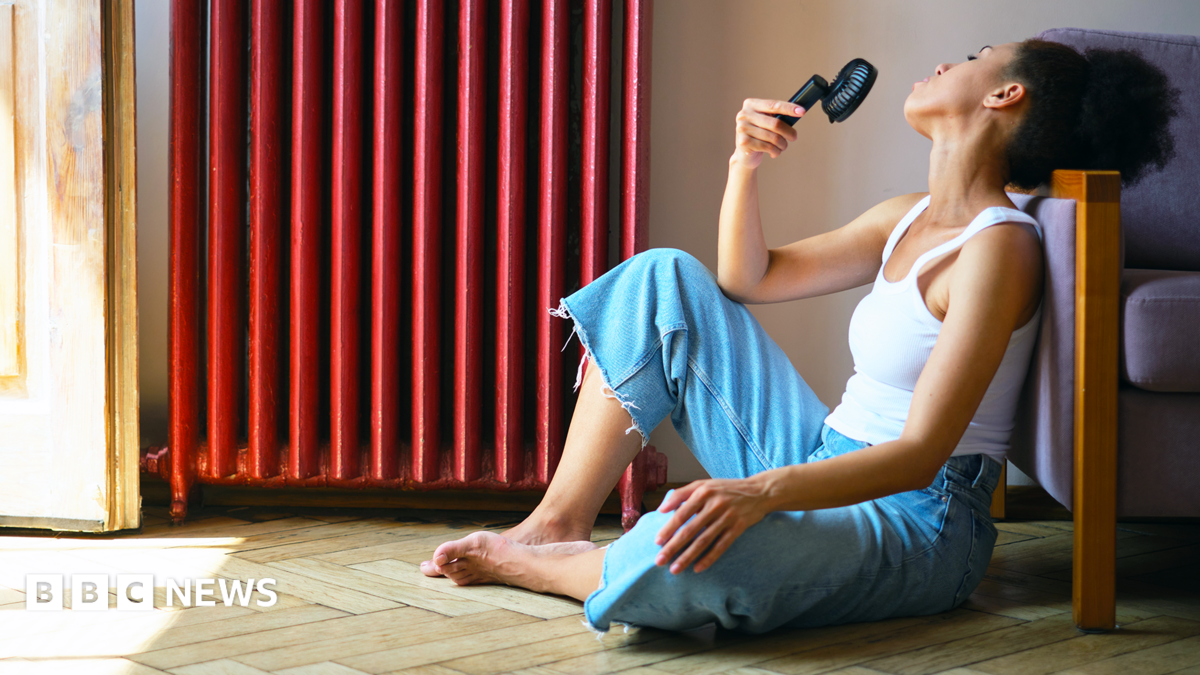
Women produce less sweat, begin sweating at a higher temperature, and have a higher core body temperature and body fat percentage than men, according to a 2025 study — factors that, combined with hormone fluctuations during menstruation, perimenopause, menopause, and pregnancy, place additional strain on their cardiovascular systems during periods of high heat, two medical specialists told the BBC.
Dr Nighat Arif, an NHS GP specialising in women's health, described heatwaves as a 'stress-test' for women's cardiovascular systems. Dr Cat Pinho-Gomes, an academic public health consultant at UCL's Institute for Global Health and co-author of a review into sex differences in heatwave-associated deaths, said women may also be marginally more vulnerable to heatwave-related death than men, though she noted more evidence is needed.
According to Dr Arif, natural fluctuations in oestrogen and progesterone — which shift most substantially during the menstrual cycle, perimenopause, menopause, pregnancy, and breastfeeding — can impair the body's ability to regulate temperature. Reduced oestrogen lowers the efficiency of the thermoregulatory system, while elevated progesterone raises core body temperature.
Dr Pinho-Gomes noted that socioeconomic circumstances, such as lower pay or caregiving responsibilities, can affect how well women are able to manage heat exposure. She also observed that because women live longer on average than men, they are more frequently exposed to age-related vulnerabilities, including dementia, which can limit the ability to recognise thirst, and the use of diuretics to lower blood pressure — both of which can increase susceptibility to heat stress.
During menstruation, rising progesterone in the second half of the cycle raises core body temperature, while oestrogen drops to its lowest point when the period begins, placing additional pressure on the heart. Blood loss also results in iron loss, which affects oxygen delivery and adds to cardiovascular burden, according to Dr Arif. Research cited in the article indicates low iron is particularly common among women with heavy periods.
Hot flushes and night sweats, common symptoms of perimenopause and menopause due to declining oestrogen, may become more frequent and severe during heatwaves, Dr Arif said. A study on the impact of climate change on menopause, referenced in the article, suggested these effects could be further compounded by global warming. The same physiological changes can affect women who have undergone chemical or surgical menopause as treatment for hormone-sensitive cancers or conditions such as endometriosis.
Pregnant women face heightened difficulty regulating body temperature due to increased metabolic heat and fluid needs, according to research published in the Lancet earlier this year. Fluctuating progesterone during early to mid-pregnancy can raise body temperature, while both progesterone and oestrogen rise in later stages. The same research indicates that heat stress may increase the likelihood of adverse outcomes for mother and child, particularly in higher-risk pregnancies.
A major review of studies on heat exposure found it linked to a higher risk of cardiovascular illness and death, especially among women. During heatwaves, added strain on the heart can lower blood pressure; combined with fluid and salt loss from sweating, this can lead to heat exhaustion. If blood pressure drops sufficiently, the risk of heart attacks also rises, according to the article.
Dr Arif recommended staying aware of the signs of heat exhaustion and heatstroke, maintaining fluid intake, using fans and cooling aids, exercising before sunrise or after sunset, applying sunscreen, and tracking menstrual cycles. Dr Pinho-Gomes called for greater representation of women in decision-making positions to ensure women's needs are better reflected in policy responses to heat.
- The source does not establish the precise magnitude of the difference in heatwave-related mortality risk between women and men, noting only that more evidence is needed.
- The source does not specify what targeted policy measures, if any, are currently under consideration or have been proposed by UK authorities.
- The source does not state how many women contacted the BBC, or the methodology by which their comments were gathered.
- The source does not define the temperature thresholds at which the physiological differences described become clinically significant.
- The source does not provide data on the number of heat-related deaths or hospitalisations recorded during the June heatwave referenced.
- The source does not clarify whether the personal accounts provided are medically verified or representative of broader trends.
- The source does not state the specific findings or scope of the sex-differences-in-heatwave-deaths review co-authored by Dr Pinho-Gomes beyond its general conclusions.