An employment tribunal sitting in Bury St Edmunds has ruled in favour of Professor Wyn Evans, a University of Cambridge astrophysicist who alleged that the university retaliated against him after he raised concerns about the treatment of female staff at its Institute of Astronomy. Employment Judge Graham upheld 11 of 14 alleged detriments against the university and individual respondents, including Vice-Chancellor Professor Deborah Prentice, according to the judgment dated 10 August 2026.
Cambridge University loses whistleblowing tribunal brought by astrophysics professor who raised concerns about treatment of female staff
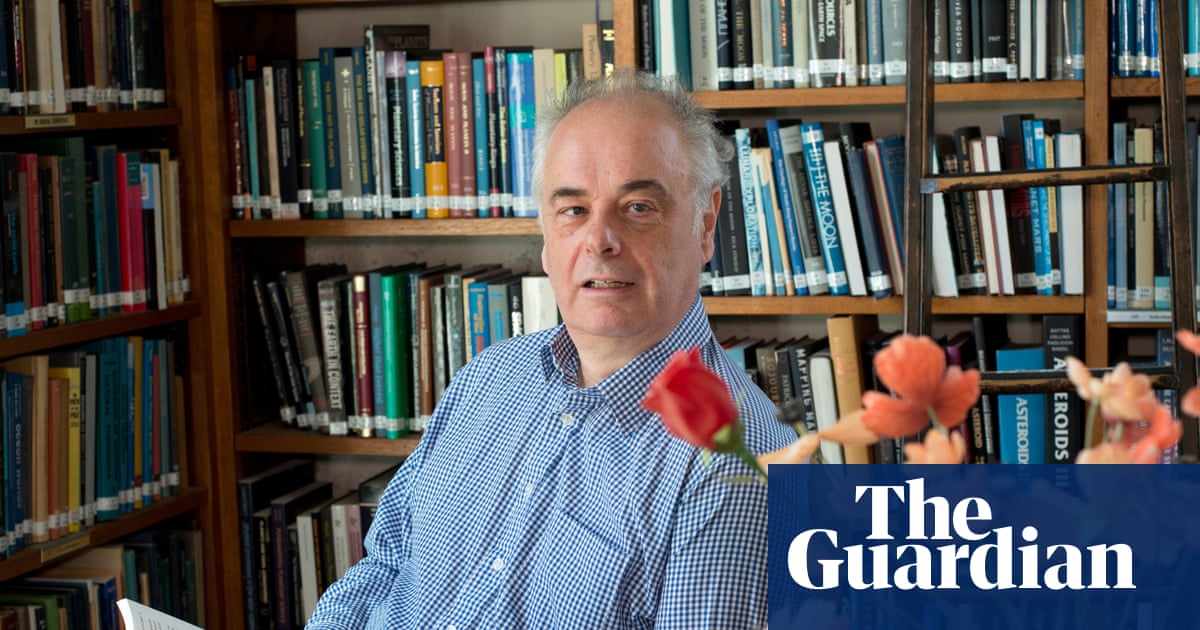
An employment tribunal sitting in Bury St Edmunds has ruled in favour of Professor Wyn Evans, a University of Cambridge astrophysicist who alleged that the university retaliated against him after he raised concerns about the treatment of female staff at its Institute of Astronomy. Employment Judge Graham upheld 11 of 14 alleged detriments against the university and individual respondents, including Vice-Chancellor Professor Deborah Prentice, according to the judgment dated 10 August 2026.
Evans told a tribunal hearing in June that the Institute of Astronomy had 'a bad history of misogyny'. He claimed one woman in the department had been 'hounded out of a job', another was 'left a frightened woman', and a third had faced 'aggressive professors'.
Following those disclosures, the tribunal found that Evans was subjected to a nearly two-year investigation by the university. The tribunal characterised that investigation as 'contrary to natural justice', stating it was 'baseless' because 'nothing had been provided to support it', and ruled it had been filed in retaliation, making it 'likely malicious and vexatious'.
The tribunal found that Cambridge 'did not even want to consider' Evans's complaints under its whistleblowing policy, and described what it called 'an institutional mindset' that regarded Evans as 'a source of difficulty and continuing reputational risk due to his protected disclosures'.
The tribunal rejected evidence submitted by Vice-Chancellor Prentice regarding a response she claimed to have drafted with the assistance of then-university registrary Emma Rampton. The tribunal found the response 'was written solely by Ms Rampton and then presented to the vice-chancellor as a fait accompli', with Prentice having 'very little to do with it, save for putting her name to it'.
The tribunal identified 'ghostwriting' as 'a consistent and a concerning theme throughout this matter', noting that in one instance the person being complained about drafted the response rejecting the complaints made against them.
During the hearing, counsel for the university suggested that Evans's emotional testimony about the suicide of a former colleague amounted to 'crocodile tears'. The tribunal stated it 'was not persuaded that the claimant's expressed emotion in the hearing was false or dramatised'.
Evans, who reportedly stood in the previous year to become the university's chancellor on an anti-bullying platform, stated after the judgment that the findings raised questions about the vice-chancellor's fitness for office and whether she was 'actually in control of the university she is supposed to lead'.
The tribunal judgment arrives alongside separate scrutiny of Cambridge over its appointment of Jason Arday, who was appointed in 2023 and stepped down earlier in August 2026 amid allegations of plagiarism and embellishing his CV. Academics have reportedly called for an independent inquiry into the circumstances of that appointment.
In a statement, the University of Cambridge said it was 'carefully reviewing' the judgment and would 'take time to reflect on the findings in detail'. A further hearing to determine damages is scheduled for January.
- The source does not establish the specific detriments that were upheld or dismissed individually
- The source does not state the identity of the three female staff members Evans described in his testimony
- The source does not specify the nature of the allegations made against Evans during the university's investigation of him
- The source does not confirm whether the university intends to appeal the tribunal's ruling
- The source does not establish what disciplinary or procedural consequences, if any, the named respondents face
- The source does not specify the range or likely quantum of damages to be decided at the January hearing
- The source does not detail the full scope of Evans's anti-bullying chancellor candidacy or its outcome
Read the original at The Guardian