British Prime Minister Andy Burnham exchanged a small number of messages with someone posing as White House Chief of Staff Susie Wiles, Politico reported on Monday citing anonymous officials, a story subsequently confirmed by BBC News. The messages were described by one source as 'of no significance,' and the contents and timing of the exchange have not been disclosed.
UK Prime Minister Burnham exchanged messages with person impersonating White House Chief of Staff Susie Wiles
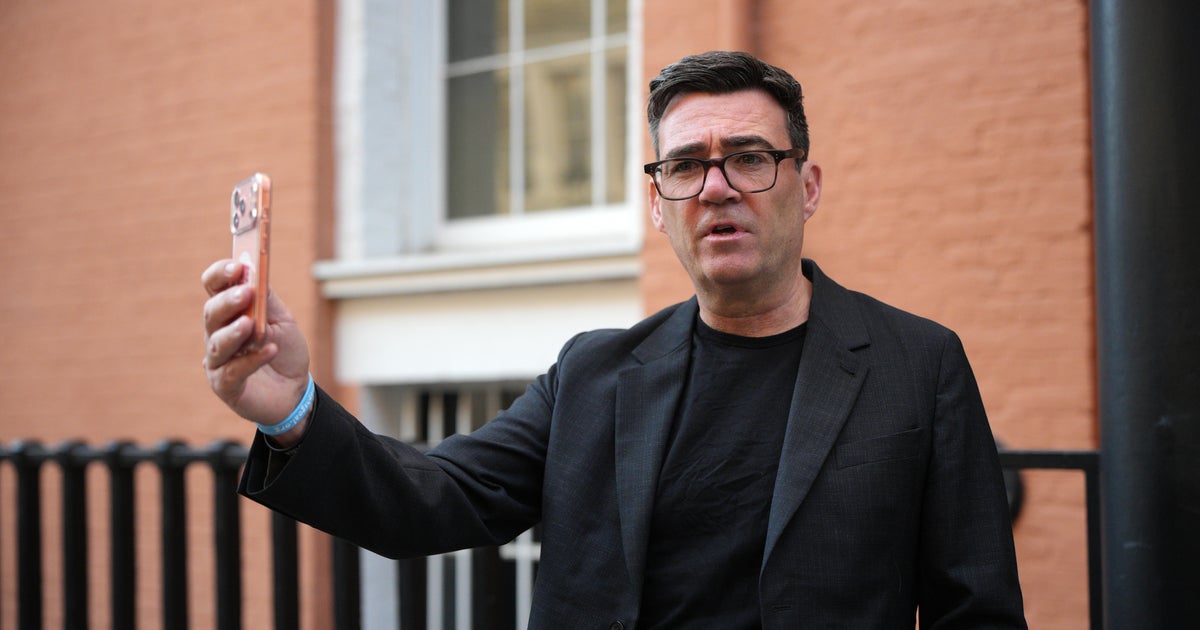
British Prime Minister Andy Burnham exchanged a small number of messages with someone posing as White House Chief of Staff Susie Wiles, Politico reported on Monday citing anonymous officials, a story subsequently confirmed by BBC News. The messages were described by one source as 'of no significance,' and the contents and timing of the exchange have not been disclosed.
According to Politico, as reported by both outlets, Burnham began to suspect during the exchange that the contact was not who they claimed to be. CBS News, citing BBC News, noted the communication was confined to written messages and that no verbal conversation took place.
The British Embassy in Washington raised the incident with the White House, according to two officials cited by Politico, out of concern that Wiles' phone may have been hacked for a second time. The White House told Politico the incident 'had nothing to do with the chief of staff's devices being hacked.'
A prior hacking of Wiles' personal cellphone was reported last year, when the FBI launched an investigation after one or more unidentified individuals accessed her contacts and used them to reach out to top officials while impersonating her. At that time, a White House spokesperson told CBS News: 'The White House takes the cybersecurity of all staff very seriously, and this matter continues to be investigated.'
According to The Jerusalem Post, citing a Guardian report published Monday evening, the personal phone numbers of at least three UK cabinet ministers — Defence Secretary Wes Streeting, Justice Secretary Alex Norris, and Northern Ireland Secretary Chris Bryant — were published online following the incident. A source told the Guardian that Streeting's number had been removed, with Downing Street officials working to take down the others. The same source noted that Streeting conducts all government business on his official government phone.
Burnham became Prime Minister on July 20, 2026, replacing Keir Starmer, according to CBS News. Downing Street did not comment on the Burnham messaging incident, telling Politico it would 'not comment on national security matters,' according to CBS News, while the Jerusalem Post notes Downing Street declined to comment outright.
Where sources differ
- The Jerusalem Post states Downing Street 'declined to comment' on the incident. CBS News reports that Downing Street told Politico it would 'not comment on national security matters' — a more specific characterisation of the refusal.
- The contents of the messages exchanged between Burnham and the impersonator have not been disclosed by any source.
- The timing of when the messages were sent has not been revealed.
- The identity of the person impersonating Susie Wiles has not been established.
- No source confirms whether the impersonator gained access through a hacking of Wiles' devices or by another means.
- Neither the White House nor the British Foreign Office responded to CBS News' direct requests for comment.
- Downing Street did not confirm or deny whether new security measures were put in place following the incident.
- The connection, if any, between the Burnham messaging incident and the subsequent publication of UK cabinet ministers' phone numbers has not been established by any source.
- The Jerusalem Post — original — by ESTHER DAVIS
- CBS News — by Frank Andrews
Read the original at The Jerusalem Post