Two weeks after UNESCO inscribed the Tunisian coastal village of Sidi Bou Said on its World Heritage List during a committee meeting in South Korea, residents and tourists have been expressing positive reactions to the designation.
Tunisia's Sidi Bou Said added to UNESCO World Heritage List
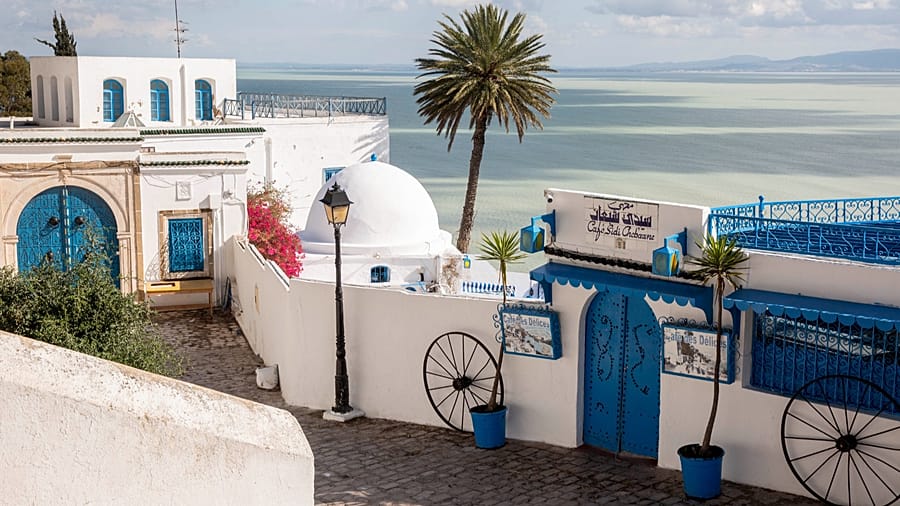
Two weeks after UNESCO inscribed the Tunisian coastal village of Sidi Bou Said on its World Heritage List during a committee meeting in South Korea, residents and tourists have been expressing positive reactions to the designation.
Sidi Bou Said is situated on a cliff and is known for its white and blue architecture. The village takes its name from a 13th-century Sufi saint and is built around his shrine.
Resident Aymen Ghamrasni said people from different regions of Tunisia and from abroad travel specifically to visit the village, adding that others consider its residents fortunate to live there.
Ahmed Achouilia, described as an Iraqi tour guide, said the village has grown in significance for global tourism and that he considers it representative of Tunisia as a destination.
Syrian tourist Yassine Rhimi said the village is distinguished by its blue and white colors and referenced a Guinness World Records recognition, though the article does not specify the nature of that record.
UNESCO's World Heritage Committee inscribes sites annually. According to the article, the program provides countries with technical support and professional training to help maintain listed locations.
The same UNESCO session also inscribed a number of Japanese villages on the World Heritage List, according to the article.
- No response or statement from Tunisian government officials or the relevant heritage authority is included.
- The specific Guinness World Records distinction referenced by the tourist is not explained or sourced.
- No information is provided on any conditions, obligations, or concerns attached to the UNESCO inscription.
- The article does not name which Japanese villages were also inscribed at the same session.
- The source text supplied appears truncated; some material may be missing.
Read the original at Africanews