US President Donald Trump signed a memorandum on August 12 directing the departments of Justice and Homeland Security to permit certain US companies to spy on and attack transnational criminal organisations operating abroad, according to The Straits Times, which cited an AFP report.
Trump signs memo authorising private companies to hack foreign cybercriminal groups
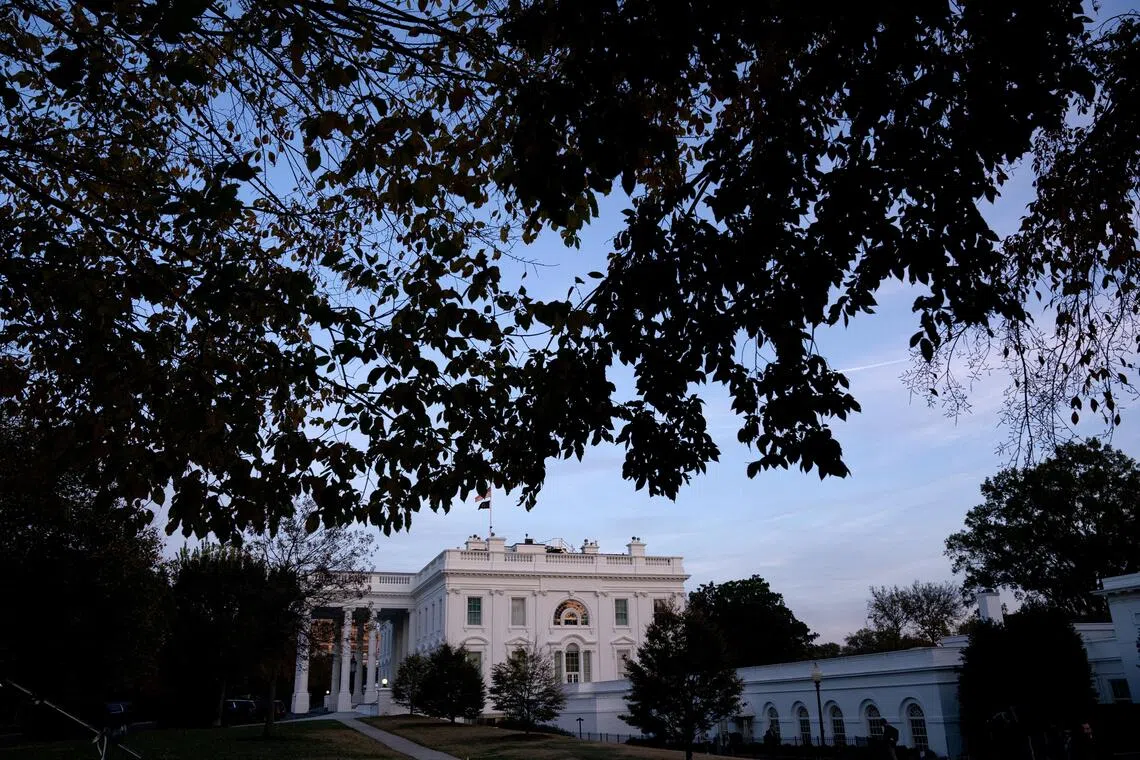
US President Donald Trump signed a memorandum on August 12 directing the departments of Justice and Homeland Security to permit certain US companies to spy on and attack transnational criminal organisations operating abroad, according to The Straits Times, which cited an AFP report.
The White House justified the measure by pointing to damage caused by ransomware, 'sextortion', and online fraud, which it said cost Americans more than US$20 billion in 2025, according to The Straits Times.
Under the memorandum, private partners may be authorised to take down hackers' servers or infiltrate their machines with spyware. Each operation would require prior government approval, and participating companies must post a bond of at least US$1 million, according to The Straits Times.
Actions that could cause death or injury are excluded, as is anything that would meet the threshold of 'use of force' under international law, according to The Straits Times.
The effort has been compared to 18th-century maritime privateering, when governments authorised private ships or sailors to raid enemy vessels, according to The Straits Times.
The program represents a reversal of an earlier stated position. According to The Straits Times, a senior US official indicated in March that the administration was 'not interested in fighting pirates with pirates', and National Cyber Director Sean Cairncross had previously ruled out using the private sector for such efforts. The Straits Times reported that it is unclear what prompted the change in approach within five months.
The Trump administration has 60 days to finalise the program's details, with some aspects set to remain classified, according to The Straits Times.
Microsoft declined to comment on the program, and Google did not respond to a request for comment, according to The Straits Times.
- What specifically prompted the White House to reverse its earlier stated position against using private companies for offensive cyber operations within a five-month period.
- Which companies, if any, have indicated willingness to participate in the program.
- The full classified details of the program, which will not be made public.
- The positions of the Justice Department and Department of Homeland Security on implementation.
- Whether Congress has been consulted or intends to provide any legislative oversight.
- How 'transnational criminal organisations' will be defined and targeted under the program.
- The Jerusalem Post — original — by JERUSALEM POST STAFF
- The Straits Times — by The Straits Times
Read the original at The Jerusalem Post