As the Bangsamoro Autonomous Region in Muslim Mindanao held its first elections on Monday, survivors of the 2017 siege of Marawi continued to grapple with unresolved deaths, missing relatives, and displacement. More than a thousand people were killed in fighting from May to October 2017, with the International Committee of the Red Cross listing more than 300 missing individuals.
Marawi residents face unresolved losses as southern Philippines region holds first autonomous elections
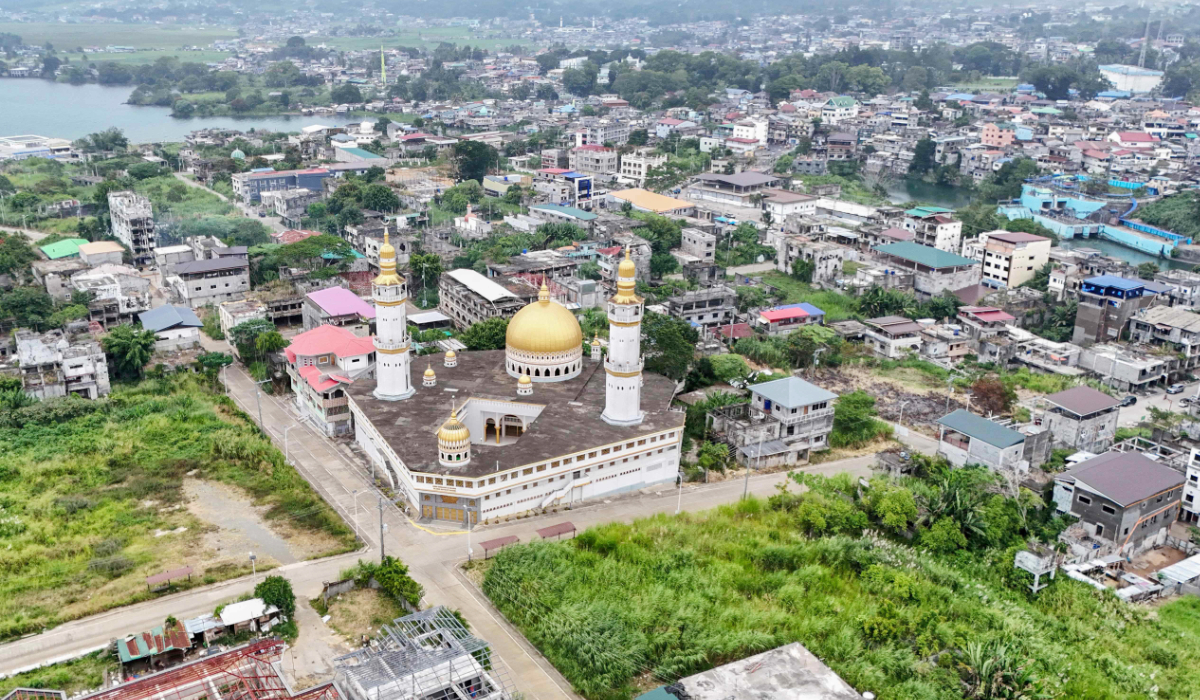
As the Bangsamoro Autonomous Region in Muslim Mindanao held its first elections on Monday, survivors of the 2017 siege of Marawi continued to grapple with unresolved deaths, missing relatives, and displacement. More than a thousand people were killed in fighting from May to October 2017, with the International Committee of the Red Cross listing more than 300 missing individuals.
The siege involved brutal house-to-house battles between the Philippine military and gunmen linked to the Daesh group in Marawi's 400-hectare business district. The fighting displaced thousands and destroyed much of the city's infrastructure.
A special government compensation board has paid out approximately 6.5 billion pesos to survivors and relatives of the dead, with at least half of the estimated 14,000 claimants still awaiting resolution. The board requires a death certificate issued by the government for claims involving presumptive deaths.
Reconstruction has begun in parts of the city, with some businesses reopening and new commercial districts developing. However, displaced families at the Sagonsongan resettlement site remain in temporary 16 square-meter units they were supposed to have vacated in 2022, with some lacking reliable access to tap water and electricity.
- The source does not state when the first autonomous elections occurred or what positions were contested.
- The source does not specify the criteria for rejection of compensation claims or how many claims have been denied.
- The source does not identify which government body created the compensation board or detail the timeline for when remaining cases will be resolved.
- The source does not state how many people remain in temporary resettlement sites across the region or provide a total estimate of those still displaced.
- The source does not specify what the numbered graves at the gravesite represent or how many graves exist at the site.
Read the original at Arab News