The Senate voted 74-24 on Tuesday to begin consideration of the Protect College Sports Act, legislation that would set national rules for college sports as schools gain the ability to pay players. The bill, reported by The Associated Press from Washington on Sept. 15, 2026, faces opposition from some Republicans and from labor and civil rights groups in the Senate's last three weeks in session before the November midterm elections.
Senate votes 74-24 to take up bill regulating college sports
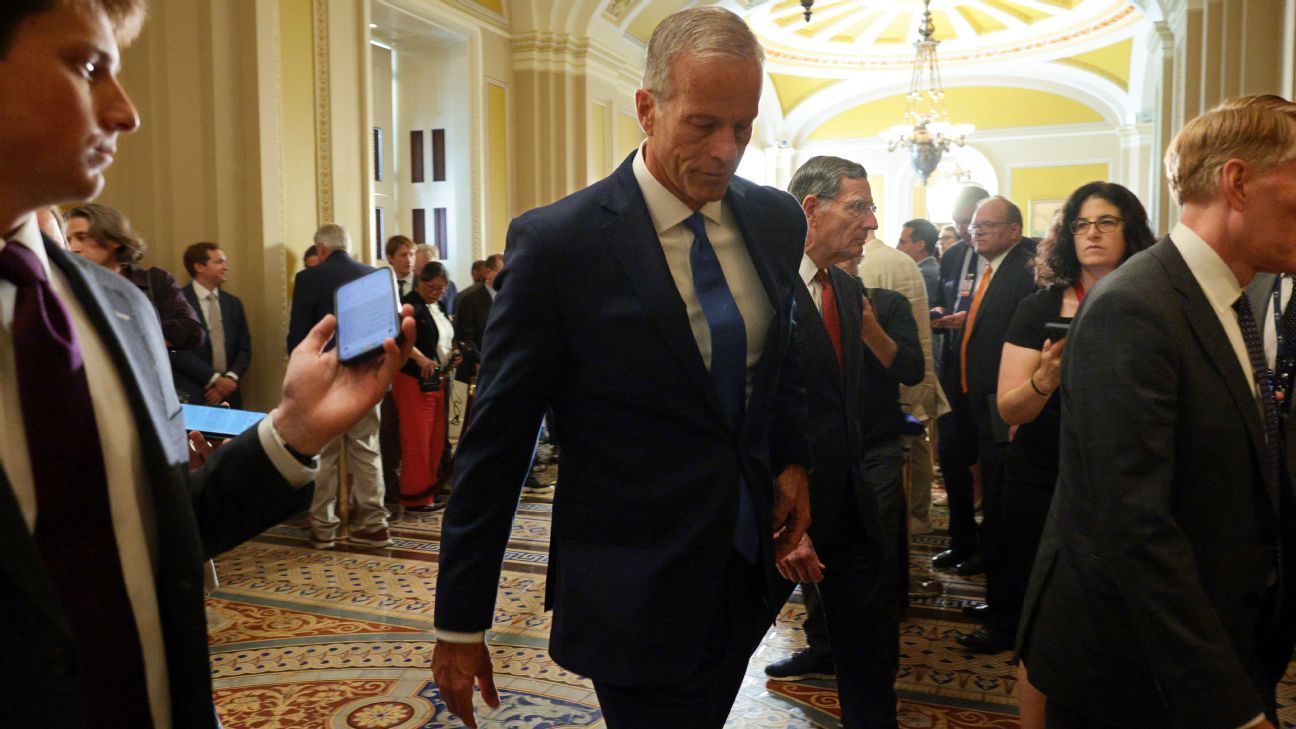
The Senate voted 74-24 on Tuesday to begin consideration of the Protect College Sports Act, legislation that would set national rules for college sports as schools gain the ability to pay players. The bill, reported by The Associated Press from Washington on Sept. 15, 2026, faces opposition from some Republicans and from labor and civil rights groups in the Senate's last three weeks in session before the November midterm elections.
Under the legislation, schools would be allowed to enforce national rules for competing and recruiting, and new guidelines would cover transfers and eligibility. The bill would provide the NCAA limited immunity from lawsuits, aiming to eliminate some of the cases that have been filed against it — most recently over a college rule allowing players five seasons of eligibility over five years, which the source says has landed the NCAA in court dozens of times in the past month.
The bill also redefines "third-party" NIL, the name, image and likeness sponsorship deals that the source says most blame for rising costs in college sports. Current rules allow schools to share revenue of up to $21.3 million among all players across their athletic program. The legislation would more than double the salary cap to nearly $49 million per school, with the stated hope that shifting money from third-party NIL under the cap will set a more realistic limit on what schools can spend.
The source reports that major conferences, Senate leadership and President Donald Trump have backed the bill, and that high-profile supporters including prominent coaches and the NCAA are mounting a push for it ahead of the midterms. Senate Commerce Committee chairman Ted Cruz, R-Texas, said the legislation aims to quell "the chaos we have in college sports."
Washington Sen. Maria Cantwell, the top Democrat on the Commerce panel, called the bill "the last chance to save college sports."
Opposition comes from several directions. The source reports that some Republicans say the bill should carry additional language on transgender girls and women in sports, that labor groups have concerns it does not do enough to protect athletes, and that the NAACP will oppose it. Democratic Sen. Cory Booker of New Jersey said before the vote that the bill gives the NCAA too much power without enough accountability for athletes.
Republicans hold a 53-47 majority in the chamber and Democrats are trying to flip the Senate in November's midterms. Sen. Eric Schmitt, R-Missouri, said just before the vote that there would be one shot at the legislation and he did not know if there would be another soon, adding that the bill could "define the trajectory of college athletics."
- The source does not state when the Senate would hold a final vote on the bill.
- The source does not state the terms or scope of the limited lawsuit immunity the bill would give the NCAA, or which pending suits it would cover.
- The source does not state which Republicans want the transgender provision, or what language they seek.
- The source does not state how the bill's sponsors or the NCAA responded to the criticism from the NAACP, labor groups or Booker.
- The source does not state how the nearly $49 million per-school cap would be set, beyond saying it would be more than double the current $21.3 million figure.
- The source does not state whether the bill has support in the House or what happens to it after Senate consideration.