The Perseid meteor shower is expected to peak on August 12 and 13, 2026, with NASA projecting roughly 50 to 100 meteors visible per hour during peak activity. The new moon phase coinciding with the peak is expected to reduce sky brightness, potentially improving viewing conditions across the Northern Hemisphere.
Perseid Meteor Shower Set to Peak August 12 and 13
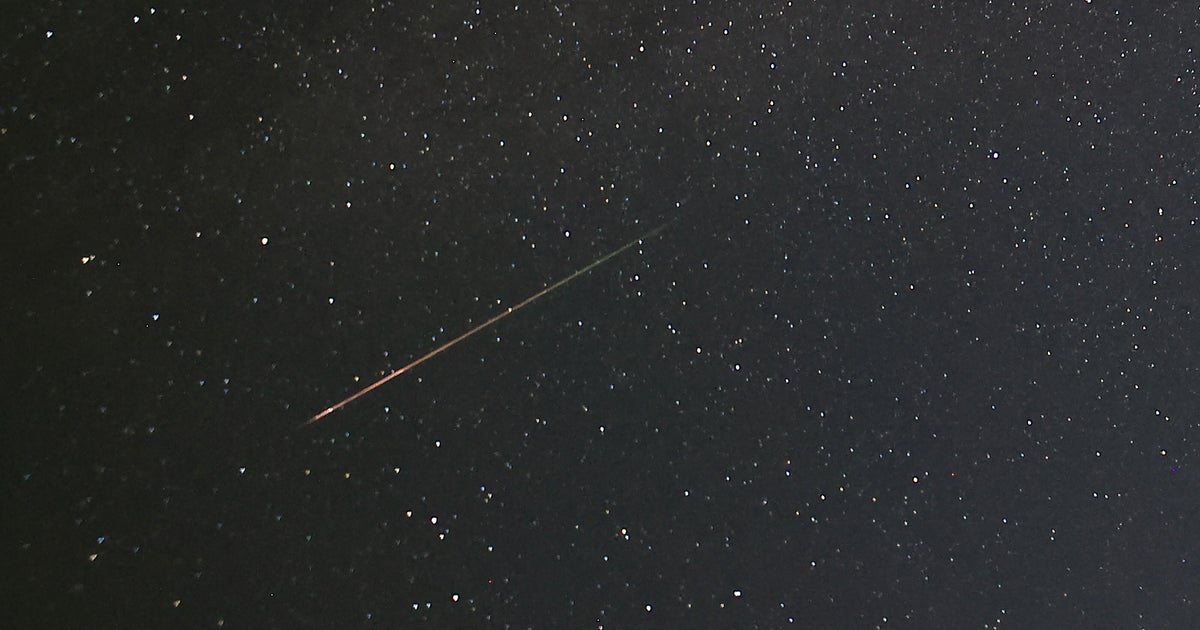
The Perseid meteor shower is expected to peak on August 12 and 13, 2026, with NASA projecting roughly 50 to 100 meteors visible per hour during peak activity. The new moon phase coinciding with the peak is expected to reduce sky brightness, potentially improving viewing conditions across the Northern Hemisphere.
According to NASA, Perseid meteors are characterized by swift, bright streaks that frequently leave extended trails of light and color as they pass through Earth's atmosphere. The agency has described the Perseids as the best meteor shower of the year.
The optimal viewing window in the Northern Hemisphere is during the predawn hours of August 13, though meteors may be visible from as early as 10 p.m. on the night of August 12, according to the report.
Meteor showers occur at predictable intervals each year when Earth passes through debris trails left by comets or, in some cases, asteroids. The debris enters the atmosphere at high speed, producing streaks of light commonly called shooting stars.
The Perseids originate from comet 109P/Swift-Tuttle, described as an icy body that orbits the sun approximately every 133 years. The comet is not expected to return until 2125. Recorded observations of the Perseid shower reportedly span more than 2,000 years.
Astronomer Zach Vanderbosch of McDonald Observatory in Texas noted that the summer timing of the shower makes it more accessible, as observers are not required to endure cold nighttime temperatures. Astronomer Aparna Venkatesan of the University of San Francisco stated that a new moon phase prevents moonlight from obscuring fainter meteors.
Recommended viewing practices include moving away from city lights and cloud cover, allowing approximately 30 minutes for eyes to adjust to darkness, and focusing on a section of sky without consulting a phone screen. The meteors will appear to radiate from the constellation Perseus, which is highest in the northern sky between midnight and dawn.
Venkatesan stated she plans to travel to the Sierra Nevada to observe the shower.
- No information is provided on expected cloud cover or weather conditions across specific US regions during the peak nights
- The source does not specify what distinguishes a 'fireball' from an ordinary meteor beyond the description of brilliance
- No data is provided on how this year's peak rate compares to prior years' actual observed rates
- The source does not clarify whether the 50-to-100 meteors-per-hour estimate applies under ideal conditions or average conditions
- No information is provided on viewing conditions or events outside the United States
- The source does not state Vanderbosch's or Venkatesan's specific credentials beyond institutional affiliation and title