Dr. Rachel Rubin, in a podcast interview, described menopause as a complete loss of ovarian hormone production — estrogen, progesterone, and testosterone — and argued that fewer than one in ten postmenopausal women are using vaginal estrogen despite support from the American Urological Association and insurance coverage in many cases.
Doctor Discusses Menopause Hormones, UTI Risks, and Gaps in Treatment
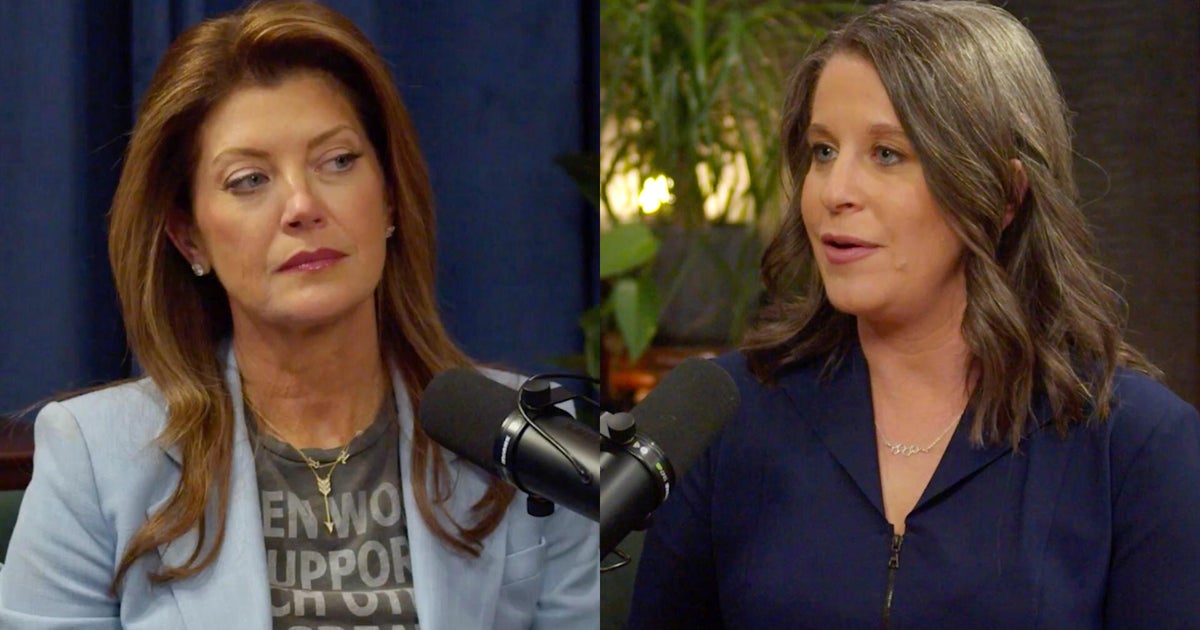
Dr. Rachel Rubin, in a podcast interview, described menopause as a complete loss of ovarian hormone production — estrogen, progesterone, and testosterone — and argued that fewer than one in ten postmenopausal women are using vaginal estrogen despite support from the American Urological Association and insurance coverage in many cases.
Rubin characterized menopause as a point at which the ovaries cease producing hormones, using the phrase 'castration event' to describe the extent of the hormonal drop. She contrasted this with the male experience, saying men undergo a gradual testosterone decline but do not reach comparably low hormone levels.
To illustrate the difference, Rubin used a gas tank analogy: women's hormone levels reach zero at menopause, while men typically remain at roughly half a tank and can receive testosterone therapy to return to a higher level.
Common symptoms associated with menopause, according to Rubin, include hot flashes, poor sleep, mood changes, weight gain, and memory issues, though she noted severity varies among individuals.
Rubin said urinary tract infections become more common during and after menopause and, if untreated, can lead to sepsis, hospitalization, or death. She argued that all menopausal women should be offered vaginal hormones, which she said can restore the urinary tract's microbiome and prevent UTIs.
Rubin cited figures suggesting that wider use of vaginal estrogen could save Medicare between $6 billion and $22 billion annually by reducing urgent care visits, hospitalizations, and ICU admissions.
On testosterone, Rubin said women produce more testosterone than estrogen and that testosterone is required for estrogen production in the ovaries. She noted there is global consensus that testosterone helps menopausal and perimenopausal women with low libido, but no FDA-approved testosterone product exists specifically for women. It can, however, be prescribed off-label.
The interviewer disclosed personal use of off-label testosterone prescribed by Rubin, administered in smaller doses than those in male-formulated products, saying effects were noticed gradually and in combination with other hormones.
- No independent medical experts or counterarguments are included; only one physician's perspective is presented.
- The $6 billion to $22 billion Medicare savings figure is attributed to Rubin without citation of a specific study or methodology.
- The FDA's rationale for not approving a testosterone product for women is not explained.
- No patient outcomes data or clinical trial results are cited to support claims about vaginal estrogen preventing UTIs.
- The interviewer's personal health disclosure is anecdotal and not presented with clinical context.
- The source text supplied appears truncated; some material may be missing.