A period of extreme heat across the UK broke records for the highest day and night temperatures ever recorded in June, according to the article published 25 June 2026. The event prompted circulation of guidance on maintaining sleep quality during hot weather, originally compiled with input from Prof Kevin Morgan, former director of the Clinical Sleep Research Unit at Loughborough University, and Lisa Artis of the Sleep Council.
UK June Heat Records Broken: Guidance on Sleeping During Hot Weather
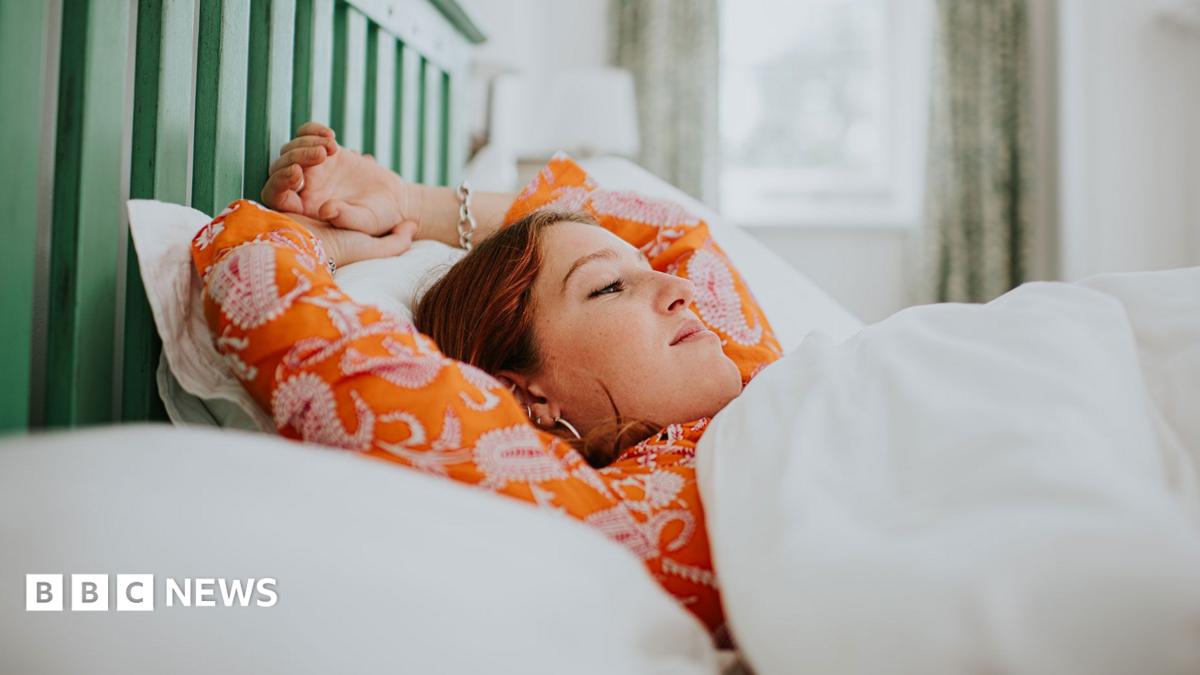
A period of extreme heat across the UK broke records for the highest day and night temperatures ever recorded in June, according to the article published 25 June 2026. The event prompted circulation of guidance on maintaining sleep quality during hot weather, originally compiled with input from Prof Kevin Morgan, former director of the Clinical Sleep Research Unit at Loughborough University, and Lisa Artis of the Sleep Council.
The guidance advises against daytime napping when night sleep is disrupted, noting that hot weather causes the body to use more energy regulating internal temperature, producing daytime tiredness that should be preserved for bedtime.
Maintaining normal bedtime routines is recommended, as changes to habitual patterns can disrupt sleep cycles regardless of temperature.
Practical bedroom measures listed include keeping curtains or blinds closed during the day to block sunlight, closing windows on the sunny side of the home to exclude hot air, and opening all windows before bed to create a cross-breeze.
On bedding, the guidance recommends thin cotton sheets, which absorb sweat, and keeping additional covers nearby, since body temperature falls during the night. Loose-fitting clothing made of natural fibres such as cotton or linen is described as potentially more effective than sleeping without clothes.
Use of even a small fan is suggested, particularly in humid conditions, as it promotes sweat evaporation and aids the body's temperature regulation. Alternatives include filling a hot water bottle with cold liquid or cooling socks in a refrigerator before wearing them, on the basis that cooling the feet lowers overall skin and body temperature.
On hydration, the guidance recommends drinking sufficient water throughout the day while avoiding large quantities immediately before bed, so as not to cause either thirst or disruptive night-time bathroom trips.
Caffeine-containing soft drinks and alcohol are flagged as substances to moderate: caffeine stimulates the central nervous system and promotes wakefulness, while alcohol, though it may aid the onset of sleep, is associated with earlier waking and reduced overall sleep quality.
For those unable to sleep, the guidance suggests getting up and undertaking a calming activity such as reading or writing, while avoiding phone screens, whose blue light can stimulate the brain and delay sleepiness.
For children, the guidance stresses maintaining standard bath and bedtimes. The NHS UK website is cited as recommending lukewarm — not cold — baths as part of a bedtime routine during hot weather, since cold water can stimulate circulation and raise a child's temperature. For babies, who cannot communicate discomfort, the guidance states that bedroom temperature is ideally between 16°C and 20°C, monitored with a room thermometer.
The guidance notes that most adults require seven to eight hours of sleep per night, while teenagers, children, and babies typically need more. It states that the majority of people can function adequately after one or two nights of disrupted sleep.
- The specific temperature records broken are not stated — no numerical figures for the record day or night temperatures are provided.
- The locations within the UK where records were set are not identified.
- The source or authority that officially confirmed the temperature records is not named.
- No dates or timeframe are given for when during the week the records occurred.
- The original publication context of the sleep guidance (beyond a first-publication date of July 2019) is not explained.
- No clinical studies or data are cited to support the individual recommendations.
- Prof Kevin Morgan's current affiliation, if any, is not stated — only his former role is mentioned.
- Lisa Artis's specific role or title at the Sleep Council is not provided.
- Whether the Sleep Council is an independent body or industry-affiliated is not established.
- The mechanism by which blue light from screens promotes wakefulness is asserted but not sourced.