Robinson Preserve, a 700-acre coastal refuge in Manatee County, Florida, has generated $32.7 million in total economic activity and supported 239 jobs since its restoration, according to an economic study funded by the National Oceanic and Atmospheric Administration (NOAA). The site, acquired by Manatee County in 2003 from degraded farmland that had been approved for a 400-home waterfront golf course community, received approximately $17 million in restoration investment over two decades.
Florida wetland restoration at Robinson Preserve yields $32.7 million in economic activity, NOAA says
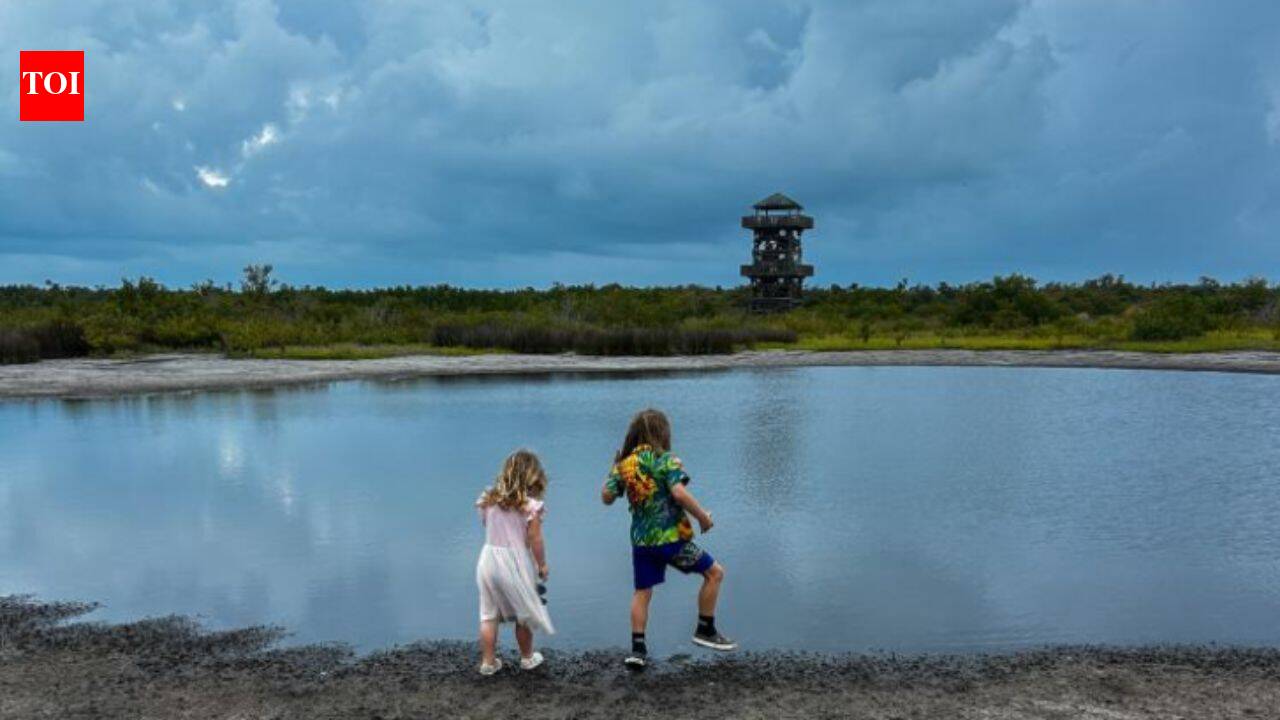
Robinson Preserve, a 700-acre coastal refuge in Manatee County, Florida, has generated $32.7 million in total economic activity and supported 239 jobs since its restoration, according to an economic study funded by the National Oceanic and Atmospheric Administration (NOAA). The site, acquired by Manatee County in 2003 from degraded farmland that had been approved for a 400-home waterfront golf course community, received approximately $17 million in restoration investment over two decades.
Manatee County acquired the original 482-acre property in 2003 with support from state and federal partners. NOAA Fisheries supported the work through its Community-based Restoration Program. The first phase of restoration was completed in 2008, when the area opened to the public. A subsequent land donation expanded the preserve by 150 acres.
Using funding from the RESTORE Council — established under the RESTORE Act following the 2010 Deepwater Horizon oil spill — along with NOAA's Office of Habitat Conservation, partners restored nearly 135 acres of coastal habitat, including shellfish habitat, seagrasses, mangroves, and salt and freshwater wetlands. Robinson Preserve is one of five sites NOAA has supported under its Connecting Coastal Waters initiative for Gulf Coast wetlands.
A second restoration phase focused on habitat for Florida sport fish, specifically common snook and tarpon, which require calm, protected coastal wetland waters as juveniles. Fisheries biologists, restoration ecologists, and civil engineers created water features with restricted access to limit predator entry, mimicking natural coastal ponds and creeks used as nursery habitat. Mangroves were planted in strategic locations as additional barriers.
NOAA Fisheries funded a three-year monitoring study to assess whether the restored habitats were functioning as designed. Researchers monitored water levels, sampled fish communities, and tagged fish to track movement through the preserve and into Tampa Bay. Surveys recorded high numbers of juvenile sport fish — including snook, sheepshead, and red drum — using the restored wetlands. Tagged snook were observed leaving the preserve during summer spawning season and returning later, suggesting successful reproduction. Scientists also noted that snook in the preserve were growing as fast as, or faster than, those in other restored or natural habitats in the region.
The NOAA-funded economic study found that, beyond construction-phase activity, outdoor recreation at Robinson Preserve supports an additional 25 jobs and generates more than $3 million in economic activity each year. Across both phases, the restoration supported about 16 jobs for every $1 million invested, according to the report. Visitors use the preserve's walking and biking trails, kayaking routes, birdwatching areas, and fishing access.
- The source does not state the exact publication date or title of the NOAA-funded economic study.
- The source does not state the peer-review status of the economic study or the three-year monitoring study.
- The source does not specify the breakdown of funding sources contributing to the approximately $17 million total restoration cost.
- The source does not state the total dollar figure of the $12.7 million in worker income relative to a baseline or comparison case.
- The source does not identify the year in which the additional 150-acre land donation was made.
- The source does not state how the 240,000 annual visitor figure was measured or by whom.
Read the original at The Times of India