Flock cameras — motion-activated devices that use artificial intelligence to log license plates and other vehicle identifiers — have faced a wave of public opposition in recent weeks, including a solo protest in Florida, overnight vandalism in Minnesota, a segment on the subject by comedian John Oliver, and a heated town meeting in Milford, Connecticut, where officials subsequently voted to consider a moratorium on the cameras.
Flock surveillance cameras draw protests, town hall opposition, and state scrutiny across the US
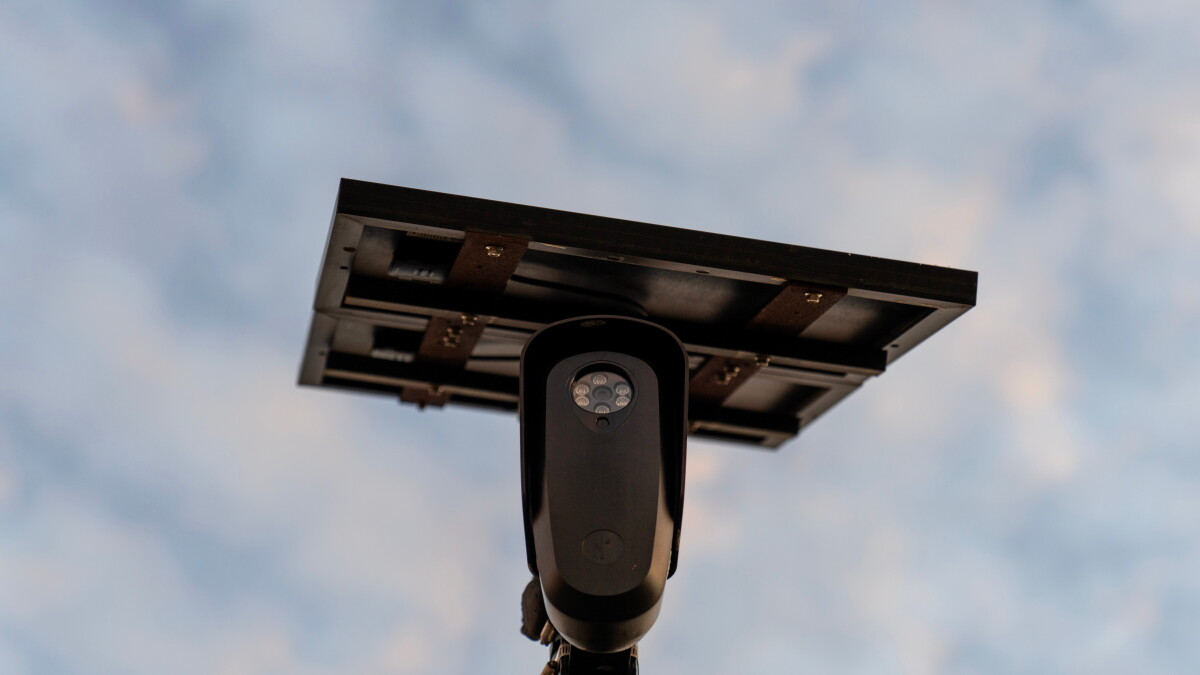
Flock cameras — motion-activated devices that use artificial intelligence to log license plates and other vehicle identifiers — have faced a wave of public opposition in recent weeks, including a solo protest in Florida, overnight vandalism in Minnesota, a segment on the subject by comedian John Oliver, and a heated town meeting in Milford, Connecticut, where officials subsequently voted to consider a moratorium on the cameras.
Supporters of Flock cameras argue the technology helps recover stolen vehicles and aids criminal investigations. Opponents contend the cameras violate privacy and civil rights and that there is insufficient transparency about who accesses the footage and for what purpose.
In Milford, Connecticut, the police chief proposed installing the cameras, citing a shortage of officers. At a subsequent public meeting, residents and local political candidates from both major parties spoke against the technology.
Milford officials voted to take up a moratorium on the cameras at a meeting scheduled for the following month.
At the state level, Connecticut Senate Majority Leader Bob Duff and State Senator James Maroney of Milford described the cameras as invasive technology and said residents are entitled to answers about who is monitoring the footage and why. Connecticut plans to conduct a survey in 2027 on the number of Flock cameras in use and how they are deployed, with the goal of strengthening privacy protections and technology regulations.
- The source does not identify which Minnesota town had its cameras cut down, or whether any suspect was identified.
- The source does not describe the specific outcome or content of John Oliver's segment beyond noting it addressed privacy and civil rights concerns.
- The source does not specify how many Flock cameras are currently installed in Milford or Connecticut as a whole.
- The source does not detail what data-retention or access policies Flock or the Milford police department currently operate under.
- Flock Safety, the company that manufactures the cameras, is not quoted or given an opportunity to respond.