Children are more susceptible to overheating than adults because their bodies warm up more quickly and they produce less sweat, according to health guidance summarised in the article. The piece sets out five practical measures covering hydration, sunscreen use, shade, clothing, and bedroom conditions, noting that temperatures could reach 40C in some locations during the period in question.
Health guidance lists five measures to reduce heat risk for children during warm weather
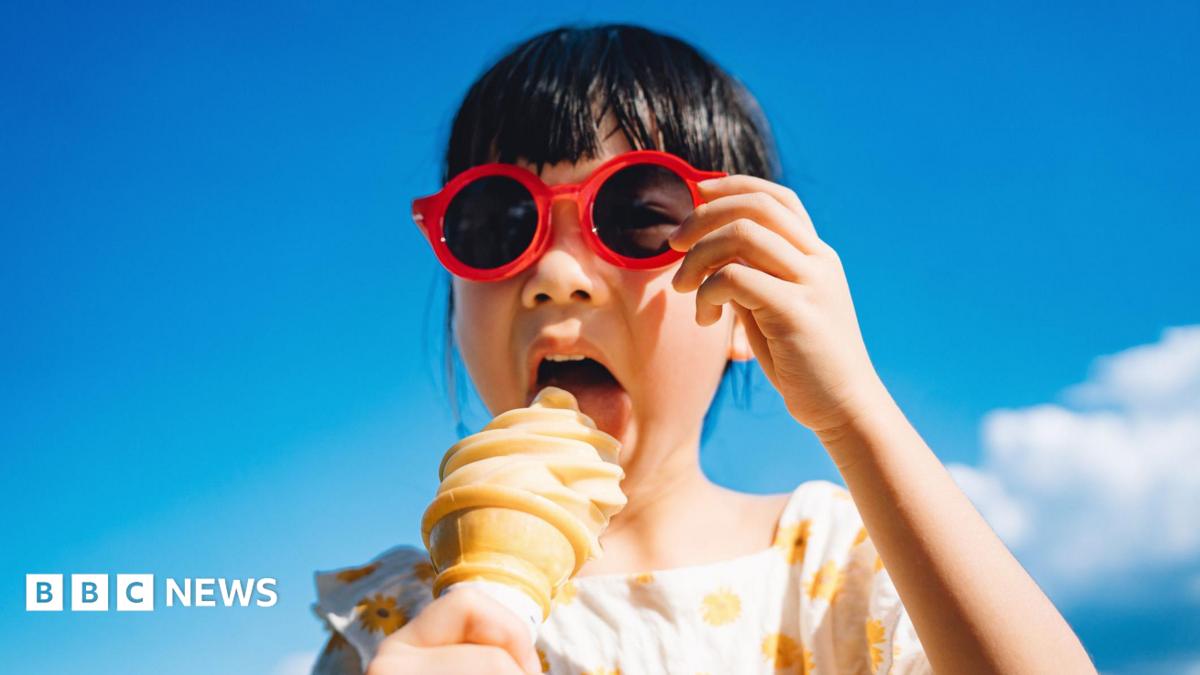
Children are more susceptible to overheating than adults because their bodies warm up more quickly and they produce less sweat, according to health guidance summarised in the article. The piece sets out five practical measures covering hydration, sunscreen use, shade, clothing, and bedroom conditions, noting that temperatures could reach 40C in some locations during the period in question.
On hydration, the article states that water-rich foods — including watermelon, oranges, salad, ice cream, jelly and soup — can supplement fluid intake for children who resist drinking water. The NHS, according to the article, advises that breastfed babies obtain sufficient water from breast milk alone, though they may feed more frequently than usual in heat. Formula-fed babies can be given small amounts of cooled boiled water in addition to normal feeds. Frozen lollies made from water or diluted fruit juice are listed as an option from 12 months of age.
On sunscreen, the article states that once-a-day products reportedly do not last as long as claimed, and that even water-resistant formulations should be reapplied after swimming or towel drying. Guidance cited in the article recommends a minimum of SPF 30 and a four-star rating, applied around 30 minutes before sun exposure and reapplied every two hours. Areas including the tops of feet, ears, neck and shoulders are identified as commonly missed. The article notes sunscreen is not recommended for babies under six months, who should be kept out of direct sunlight entirely.
On shade, the article states that keeping children out of the sun between 11:00 and 15:00 is the most straightforward protective measure. It cautions against draping muslin cloths or blankets over prams or pushchairs, even in shade, because doing so can restrict airflow and raise temperatures inside.
On clothing, the article states that loose-fitting garments covering more skin offer greater protection, and that dark colours and denser materials such as denim and shiny polyesters provide better barriers against sun exposure. For water activities, UV-protective swimwear labelled 'UPF 50' is recommended. Wide-brimmed hats and legionnaire-style hats are described as preferable to caps or small bucket hats, and wraparound sunglasses are mentioned for eye protection.
On bedrooms, the article recommends keeping rooms cool during the day by closing blinds or curtains and using an electric fan, while specifying that fans should not be directed at a child's body as this may cause dehydration. A cool bath before bedtime is listed as a measure to lower body temperature. Minimal bedding and slightly open doors and windows are also recommended.
- The source does not identify which experts or organisations issued the warnings about once-a-day sunscreen.
- The source does not specify the date or geographic location to which the forecast temperature of 40C applies.
- The source does not cite clinical studies or named authorities for most of the recommendations beyond a single reference to the NHS on infant hydration.
- The source does not state what age range is covered by the term 'children' for most recommendations.
- The source does not explain what temperature a bedroom should be maintained at.
- The source does not indicate whether the guidance applies to a specific country or is intended as general international advice.