The U.S. Court of Appeals for the District of Columbia rejected a request on Wednesday from a drug testing industry association and a pharmaceutical company to block federal cannabis rescheduling while their lawsuit against the reform advances. The court also declined a request from two medical marijuana companies to intervene on the government's side, though it allowed them to submit amicus briefs.
Federal appeals court rejects stay on cannabis rescheduling, consolidates legal challenges
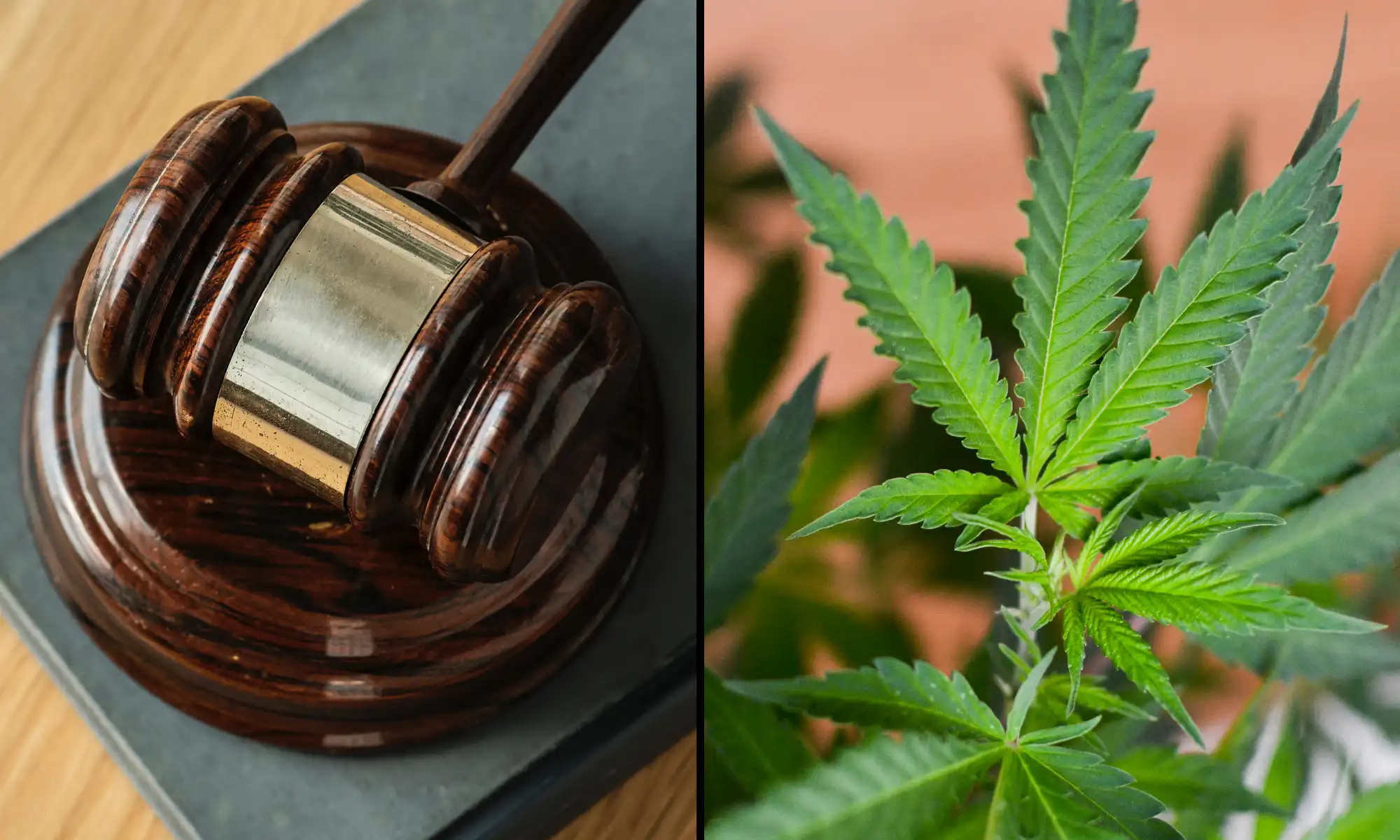
The U.S. Court of Appeals for the District of Columbia rejected a request on Wednesday from a drug testing industry association and a pharmaceutical company to block federal cannabis rescheduling while their lawsuit against the reform advances. The court also declined a request from two medical marijuana companies to intervene on the government's side, though it allowed them to submit amicus briefs.
The National Drug and Alcohol Screening Association (NDASA) and MMJ International Holdings and its subsidiaries had sought a stay, arguing in court filings that marijuana abuse carries dangerous consequences, particularly for adolescents and pregnant women, and that federal rescheduling would reduce taxes on cannabis companies and stimulate industry growth. The Department of Justice opposed the stay request, asserting that the entities challenging rescheduling have financial interests in keeping marijuana in Schedule I and are not suitable challengers to the reform.
Three separate lawsuits challenging the rescheduling proposal have been consolidated. One is led by Smart Approaches to Marijuana (SAM) and NDASA, who claim to be aggrieved by the reform. Another comes from a coalition that includes anti-marijuana activists, substance misuse professionals, doctors, and MMJ, a cannabis-focused biopharmaceutical corporation. A third was filed by the attorneys general of Indiana, Nebraska, and Louisiana, though Louisiana later withdrew.
The Drug Enforcement Administration, tasked with defending the rescheduling proposal, stated in a brief filed as final arguments concluded that marijuana no longer meets Schedule I requirements because it has accepted medical use in the United States and accepted safety under medical supervision. The agency noted that over 30,000 practitioners treat more than six million patients across 43 U.S. jurisdictions and said marijuana's abuse and dependency profiles align better with Schedule III than with Schedule I or II.
In April, Attorney General Todd Blanche issued an order that immediately reclassified state-licensed medical cannabis and FDA-approved marijuana products from Schedule I to Schedule III. A separate order initiated a hearing to consider comprehensively moving marijuana to Schedule III. The DEA judge overseeing the hearing will issue a recommendation, with the final decision resting with the DEA administrator.
The court directed parties to submit proposed briefing formats within 30 days, strongly urging a joint proposal and discouraging repetitious submissions. The court warned it would require aligned parties to file a joint brief with word counts not exceeding the standard allotment for a single brief.
- The source does not state when the DEA judge will issue a recommendation on cannabis scheduling.
- The source does not identify which two medical marijuana companies sought to intervene in the litigation.
- The source does not explain the substantive differences between the prior five-part test and the new two-part test beyond noting the DOJ's characterization of the five-part test as impermissibly narrow.
- The source does not specify which FDA-approved marijuana products were reclassified under Attorney General Blanche's April order.
- The source does not state whether the House Appropriations Committee's vote to block rescheduling carries any enforcement mechanism or represents a binding constraint on executive action.
Read the original at Marijuana Moment