New European Union rules under the Packaging and Packaging Waste Regulation (PPWR) took effect Wednesday, prohibiting high concentrations of per- and polyfluoroalkyl substances (PFAS) in packaging designed to come into contact with food, as part of a broader effort to reduce packaging waste and limit public exposure to chemicals linked to increased cancer risk and other health conditions.
EU packaging rules take effect, restricting PFAS chemicals and introducing new sustainability requirements
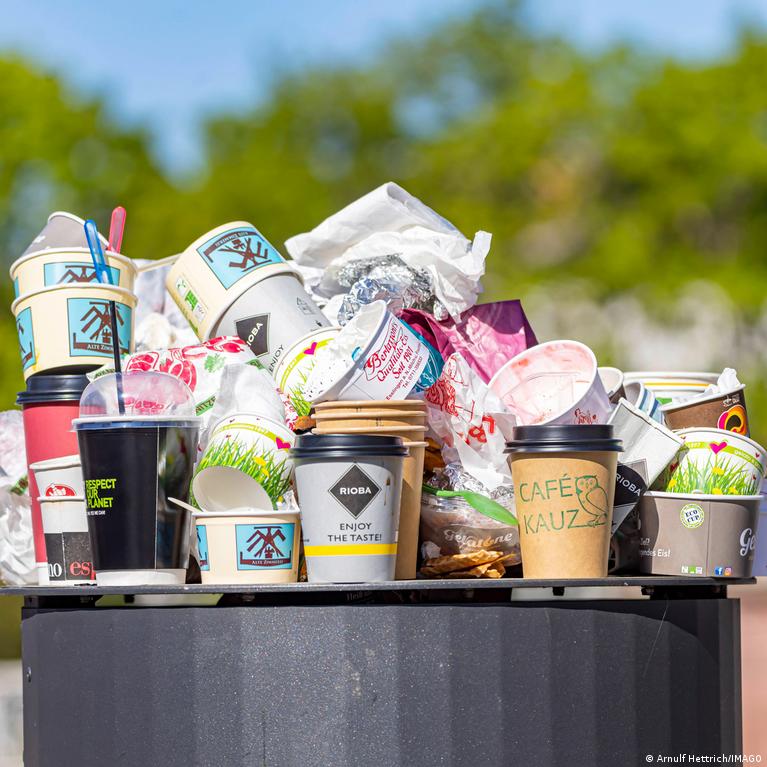
New European Union rules under the Packaging and Packaging Waste Regulation (PPWR) took effect Wednesday, prohibiting high concentrations of per- and polyfluoroalkyl substances (PFAS) in packaging designed to come into contact with food, as part of a broader effort to reduce packaging waste and limit public exposure to chemicals linked to increased cancer risk and other health conditions.
PFAS, known as 'forever chemicals' due to their persistence in the body and the environment, are commonly used to make paper and cardboard packaging grease- and water-resistant. They are found in products ranging from pizza boxes to frozen meal containers. Scientists have expressed concern about long-term exposure, even though the amounts that migrate from packaging into food are generally considered low.
The PPWR's PFAS restrictions apply to new packaging entering the market from Wednesday. Businesses are not required to recall or destroy packaging or goods already on the market before the rules took effect. The new measures are separate from restrictions on bisphenol A (BPA) in food-contact materials that came into force across the EU the previous month.
According to the European Commission, packaging waste in EU countries increased by 20% over the last decade, and without PPWR it was projected to rise by a further 19% by 2030, driven by growth in online shopping and convenience food. EU data shows 178 kilograms of packaging waste was generated per person across the bloc in 2023, of which 35.3 kg was plastic, with only 42% of that plastic recycled. Germany's per capita packaging waste stood at 215 kg in 2023, above the EU average. Packaging accounts for approximately 40% of plastic consumption in Europe, according to an EU official.
Under the regulation's longer-term provisions, the EU has set binding targets to reduce packaging waste by 5% by 2030 and 15% by 2040. From 2028, packaging manufacturers will be required to carry standardized labels showing materials used and disposal instructions. From 2029, deposit-and-return schemes for plastic bottles and cans will be extended across the EU. From 2030, all packaging placed on the EU market must be designed to be recyclable, single-use plastic packaging for fresh produce will be banned, and packaging volume must be kept to a minimum. Some restaurants and cafes will also be required to offer reusable packaging as an option, often at no additional charge to customers.
EU member states may set their own penalties for non-compliance. German authorities are permitted to impose fines of up to €200,000 for more serious breaches.
A petition on change.org calling on Brussels to 'stop destroying EU micro-businesses' had gathered more than 45,000 signatures by Wednesday morning.
- The source does not include a response from the European Commission specifically addressing small business compliance cost concerns.
- The source does not detail what exemptions, if any, the PPWR provides for businesses below certain size or revenue thresholds.
- The source does not specify which EU member states have already implemented or are planning deposit-and-return schemes beyond Germany and the Netherlands.
- The source does not report on enforcement mechanisms for the PFAS provisions beyond Germany's fine levels.
- The source does not clarify what specific PFAS concentration thresholds constitute 'high levels' under the new rules.
Read the original at Deutsche Welle