As the UK experiences a fifth heatwave this summer, disabled people and researchers say the particular challenges faced by those with health conditions or disabilities during extreme heat — including overheating powered wheelchairs, guide dog welfare constraints, and safety risks from standard cooling advice — are not adequately reflected in public guidance or emergency planning, according to campaigners and a University of Bath PhD researcher.
Disabled people say heatwaves restrict mobility, employment and safety as official guidance falls short
As the UK experiences a fifth heatwave this summer, disabled people and researchers say the particular challenges faced by those with health conditions or disabilities during extreme heat — including overheating powered wheelchairs, guide dog welfare constraints, and safety risks from standard cooling advice — are not adequately reflected in public guidance or emergency planning, according to campaigners and a University of Bath PhD researcher.
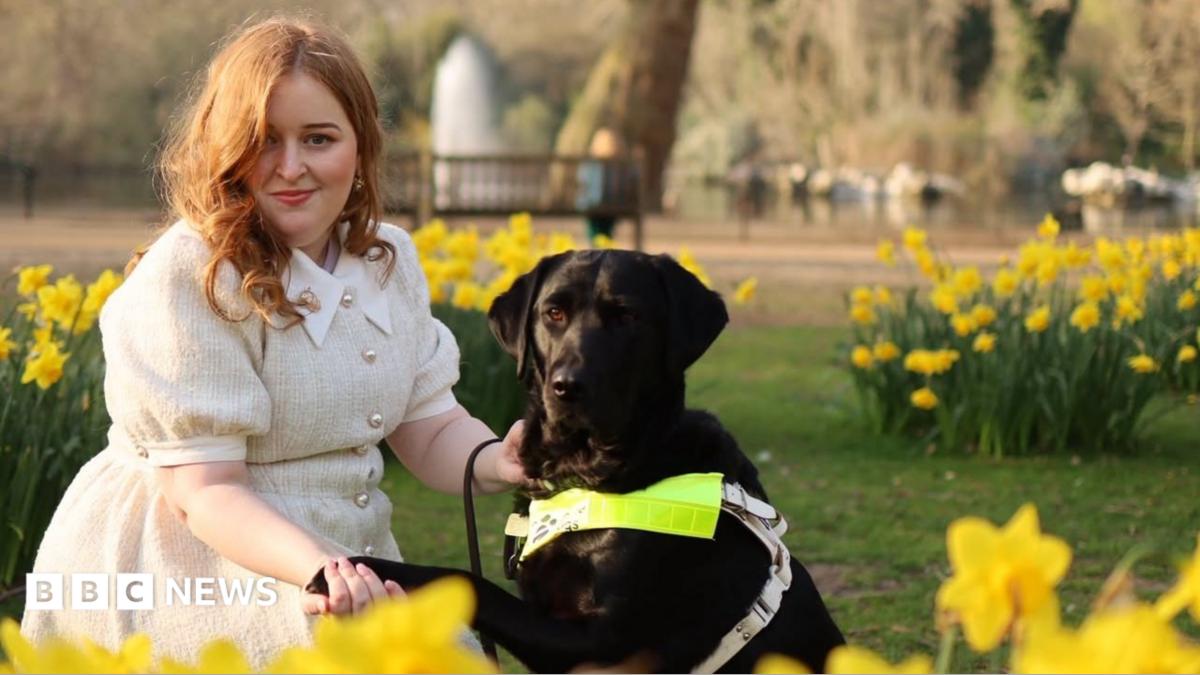
Emily Davison, a London-based journalist and content creator with a visual impairment, says high temperatures force her to prioritise the welfare of her guide dog, Rosie, over her own travel needs. She says this has led her to cancel journeys to work events, resulting in lost earnings. Davison says public buses frequently overheat and that she has encountered repeated refusals when attempting to travel by ride-hailing services with her dog. She also says access to London's Taxicard subsidised taxi scheme has become more difficult during heatwaves.
Jimmy Macfarlane, a Cardiff-based actor, uses a powered wheelchair. He says high temperatures drain the wheelchair's battery more quickly, requiring him to plan routes with minimal chair movement. When he previously lived in a sixth-floor flat, heat caused the building's lift to break down on multiple occasions, leaving him confined to the flat for days at a time until repairs were completed. Macfarlane also has cerebral palsy, which he says makes everyday tasks such as getting changed or showering take longer, and says heat increases that exhaustion further.
Claire Sisk, a content creator and advocate with distorted vision — which she says resulted from two strokes in 2009 — says standard cooling advice creates safety risks for her. She says opening windows and doors, as commonly recommended, leaves her feeling unable to monitor whether someone is entering her home. She says this means she keeps them closed, which she describes as difficult to manage in the heat. She also says fans placed in non-standard positions become trip hazards, and that bright sunlight further reduces her remaining vision, making travel less predictable.
Hollye Kirkcaldy, a PhD researcher at the University of Bath who studies how extreme heat affects disabled people in the UK, says official heatwave guidance often does not reflect the circumstances of disabled people, and that measures framed as straightforward can create new barriers. Her research indicates this can reduce independence, affect mental wellbeing and increase costs, including higher energy bills for continuous cooling. She says in some cases disabled people face a choice between managing their health condition and meeting basic living costs.
Disability campaigner Doug Paulley, who has health conditions exacerbated by high temperatures, says he cancelled physiotherapy and was unable to give evidence to the Covid Inquiry during one heatwave because travel was not safe. He says disabled people's experiences are consistently deprioritised during societal crises, and that policy affecting them is made without their input. Davison said climate change must be incorporated into planning around access and support, noting that summers are projected to become hotter.
- The specific health conditions affecting Doug Paulley are not identified in the source
- The source does not state what dates or months the heatwaves occurred
- No government or local authority response or statement is included
- The source does not specify the methodology or findings of Kirkcaldy's research beyond general characterisations
- No data is provided on the number of disabled people affected by heatwaves in the UK
- The source does not clarify what the fifth heatwave forecast is based on or who issued it
- The nature of Emily Davison's visual impairment and its congenital cause are mentioned only in an image caption, not the article text
- The source does not state whether Davison, Macfarlane or Sisk have made formal complaints to any authority
- No information is provided on what changes to official guidance, if any, are being considered