A community survey of 163 people who use psychedelics and live in areas that have enacted decriminalization policies found that most respondents perceived improvements in legal risk, social acceptance, substance safety and therapeutic access following those policy changes, according to a study published in the peer-reviewed journal Social Sciences.
Survey of psychedelic users in decriminalized zones finds reported improvements in safety, therapy access and wellbeing
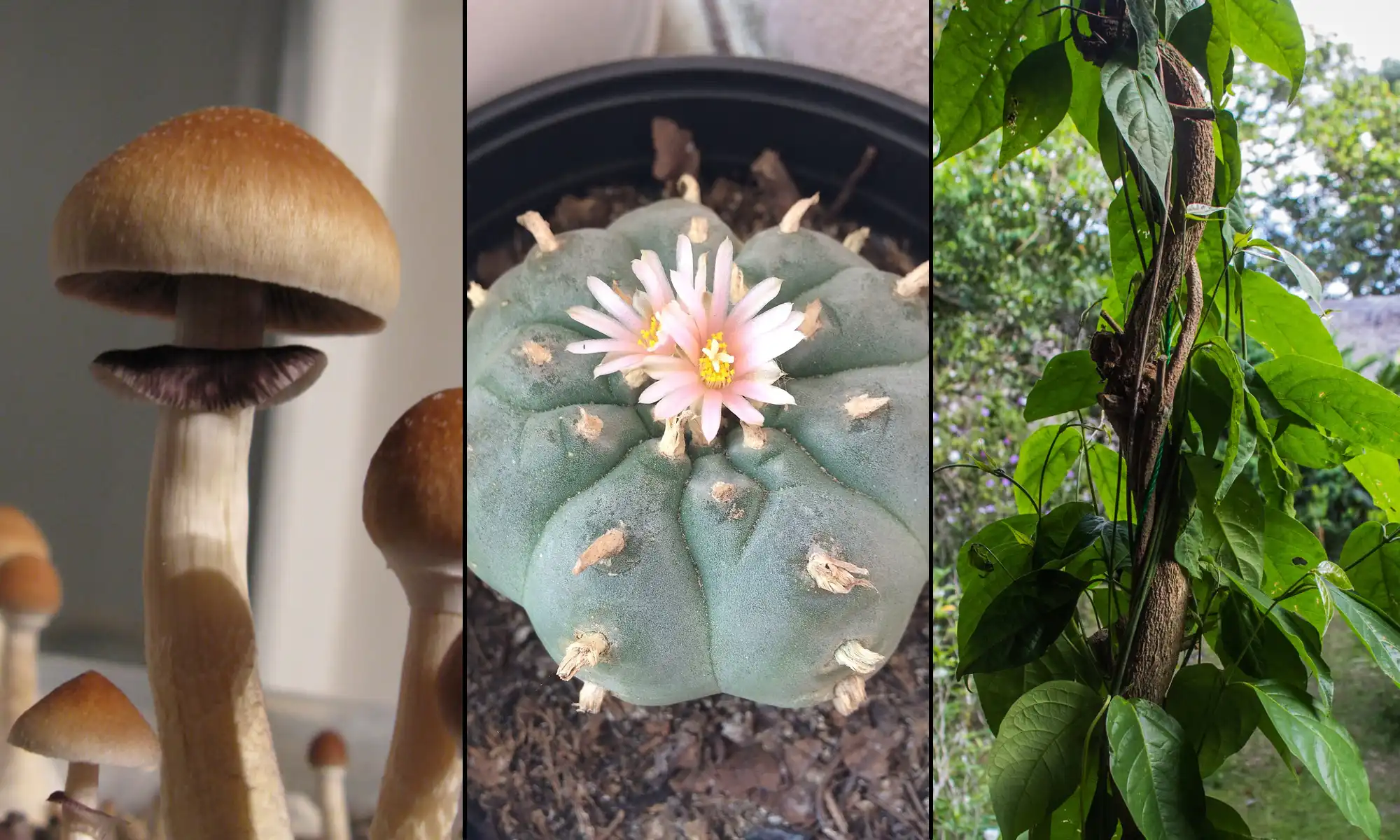
A community survey of 163 people who use psychedelics and live in areas that have enacted decriminalization policies found that most respondents perceived improvements in legal risk, social acceptance, substance safety and therapeutic access following those policy changes, according to a study published in the peer-reviewed journal Social Sciences.
The study, titled 'Perceptions of Psychedelic Decriminalization: Findings from a Community Survey of People Who Use Psychedelics,' was authored by Daniel J. Kruger, Julie Barron and Larry Norris. Participants lived in decriminalized areas including cities in California, Colorado and Michigan.
Of the 163 survey participants, 84.0 percent reported feeling improvements in at least one of the following areas due to decriminalization: legal risks, social acceptance, substance availability, substance safety, diversity of available products and overall substance quality. Only 5.5 percent reported worsened conditions in any of those categories, and no participant reported that legal risks had worsened.
Nearly 75 percent of respondents reported decriminalization-related improvements regarding psychedelic therapy, citing better social acceptance, availability and diversity of services. Following decriminalization, 72.4 percent of participants reported improvements in overarching life conditions, including reductions in stress, anxiety and worry, and more than 27 percent reported having either stopped taking or reduced their use of traditional pharmaceutical medications.
The survey also documented shifts in sourcing. While obtaining psychedelics from friends remained the most common method at approximately 54 percent, participants reported increases in purchasing from in-person retail dispensaries, growing or harvesting substances themselves, buying online and working with underground therapists or healthcare professionals. The study authors noted that currently operating psychedelic storefronts are generally not authorized under existing decriminalization policies, which typically do not permit commercial sales. Roughly one-fifth of participants reported being scammed when attempting to purchase psychedelic substances, though 53.5 percent of those incidents occurred prior to decriminalization.
The researchers acknowledged several limitations. The data relied on self-reported perceptions and used a convenience sample heavily representing individuals already connected to psychedelic communities. The sample was predominantly white (78.5 percent) and highly educated, with most participants being frequent, experienced users of substances including psilocybin, cannabis, MDMA and LSD. The cross-sectional design of the survey, the authors noted, precludes definitive attributions of causality, and they called for longitudinal studies to track how perceptions and outcomes change over time.
- The source does not state the specific cities within California, Colorado and Michigan where participants were located.
- The source does not provide the sample size or methodology used to recruit participants, beyond describing it as a convenience sample connected to psychedelic communities.
- The source does not state the total number of survey questions or the time period over which the survey was conducted.
- The source does not identify or quote any opponents of psychedelic decriminalization policy, though their historical arguments are referenced.
- The source does not state whether the journal Social Sciences conducted peer review by parties independent of the psychedelic advocacy community.
- The source does not establish what baseline data, if any, was collected before decriminalization to compare against post-decriminalization self-reports.
Read the original at Marijuana Moment