Elizabeth Hird donated Outer Island, a five-acre island off Branford, Connecticut, to the U.S. Fish and Wildlife Service in 1995, converting a privately owned summer retreat into a protected site for wildlife, education, and research. The island, the southernmost of Connecticut's Thimble Islands, now forms part of the Stewart B. McKinney National Wildlife Refuge.
Architect's 1995 gift turned Connecticut island into wildlife refuge
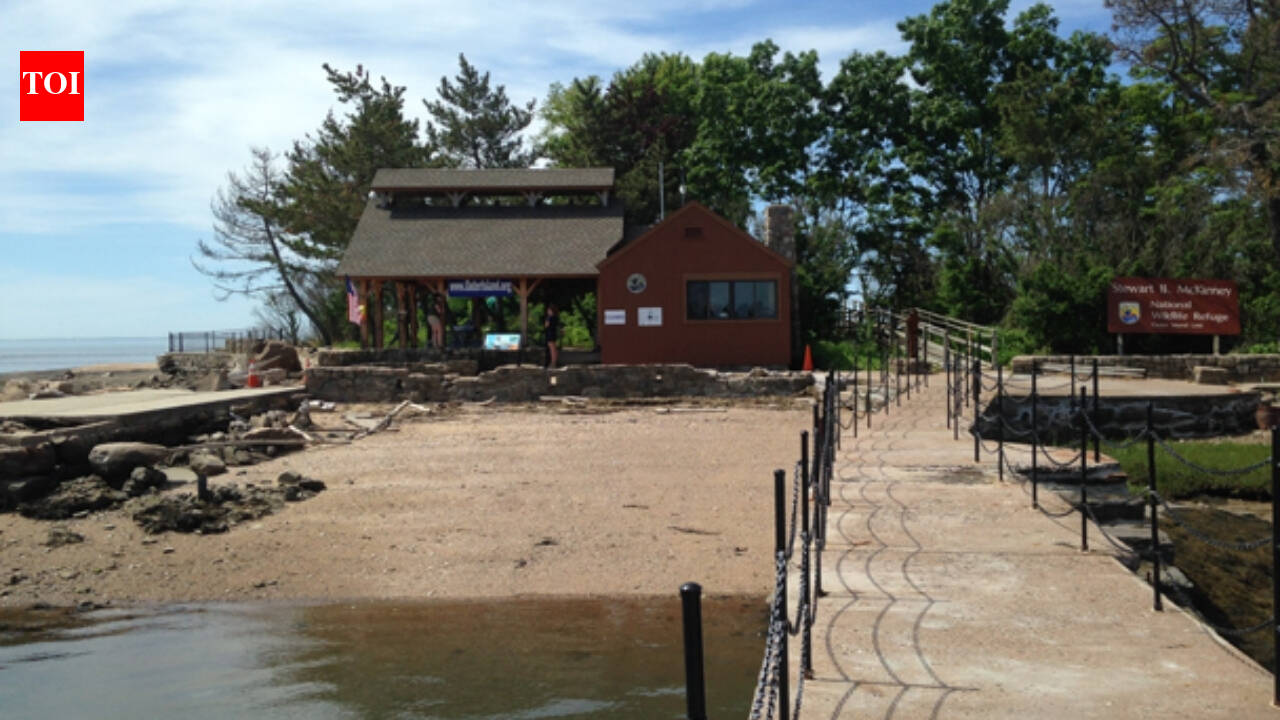
Elizabeth Hird donated Outer Island, a five-acre island off Branford, Connecticut, to the U.S. Fish and Wildlife Service in 1995, converting a privately owned summer retreat into a protected site for wildlife, education, and research. The island, the southernmost of Connecticut's Thimble Islands, now forms part of the Stewart B. McKinney National Wildlife Refuge.
Hird and her husband, Basil Rauch, a professor of history at Columbia University, purchased Outer Island in 1964 as a summer retreat. Hird was an architect, artist, and conservationist. After Rauch's death, she donated the island in his memory, according to the Outer Island website's history.
The U.S. Fish and Wildlife Service states that Hird's goal was to protect the island's natural resources and provide access for education and research. She continued to use the island as her summer home until her death in 2002 at age 87, according to the Outer Island history.
The island is characterized by granite outcroppings, boulder and cobble beaches, intertidal areas, and small salt marshes. According to the Outer Island history, glaciers shaped its landscape thousands of years ago, leaving exposed granite bedrock and large boulders. The Mattabesic Native Americans who lived in the Stony Creek area used the Thimble Islands during summer and called Outer Island 'Two Tree Island,' referring to two prominent pine trees that once stood there.
In 1889, Addison Verrill, described as Yale's first professor of zoology, purchased the island and spent summers there with his family. A later fire destroyed the house, but its large stone fireplace and chimney survived and were incorporated into the present building, according to the Outer Island history.
The U.S. Fish and Wildlife Service states that Outer Island provides habitat for migratory birds and marine life and serves as a pollinator stopover site. Education facilities on the island include a laboratory where students can examine organisms and test water quality, and a pavilion for outdoor use. According to the Outer Island history, the U.S. Fish and Wildlife Service works with the Connecticut State University System and Friends of Outer Island on research and education programs.
- The source does not state the monetary or assessed value of the island at the time of the 1995 donation.
- The source does not identify the fire that destroyed the original Verrill house, including its date or cause.
- The source does not specify how many students, researchers, or visitors currently use the island annually.
- The source does not detail the terms or legal structure of the donation agreement between Hird and the U.S. Fish and Wildlife Service.
- The source does not provide information on the current operational budget or staffing of the island's education programs.
- The source text supplied appears truncated; some material may be missing.
Read the original at The Times of India