California's Department of Pesticide Regulation announced on Tuesday that it had canceled the state's last remaining paraquat pesticide registration, effectively banning the herbicide over concerns about its links to Parkinson's disease, cancer, and other health harms. The substance will be phased out over two years.
California cancels last paraquat registrations, banning herbicide over Parkinson's disease links
California's Department of Pesticide Regulation announced on Tuesday that it had canceled the state's last remaining paraquat pesticide registration, effectively banning the herbicide over concerns about its links to Parkinson's disease, cancer, and other health harms. The substance will be phased out over two years.
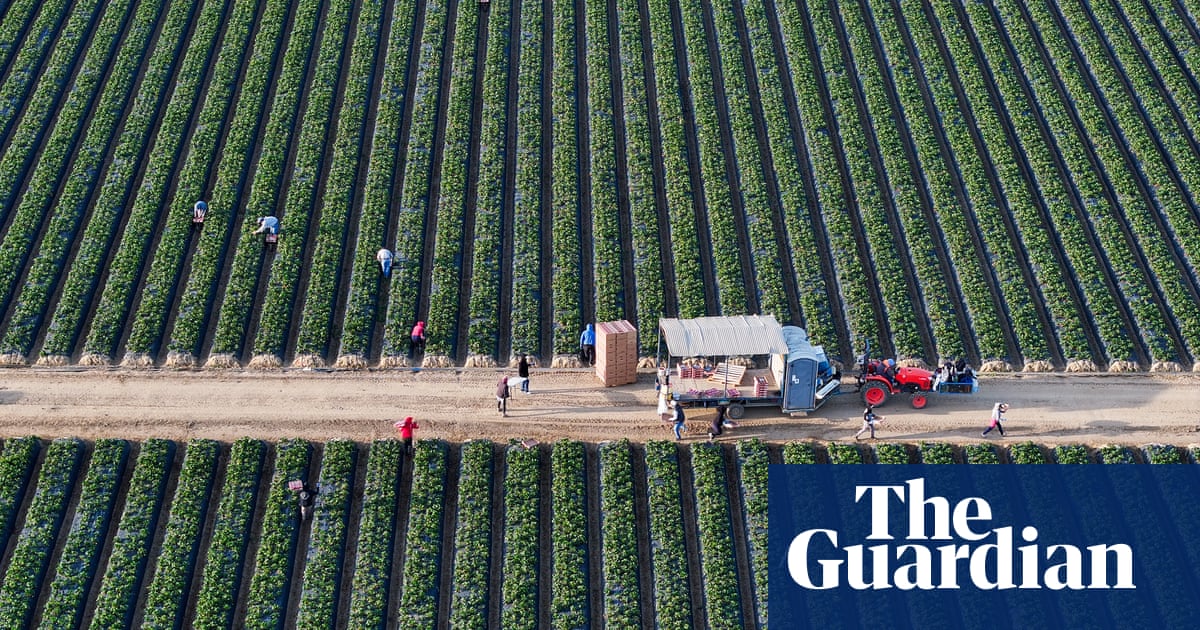
Paraquat is sprayed on approximately 14 million pounds of US cropland annually, applied to wine grapes, pistachios, almonds, walnuts, pears, citrus, soybeans, cotton, and other crops, most commonly in California's Central Valley and the Mississippi River valley. Its use in the US tripled between 2008 and 2018 and has continued to increase since.
California is the largest US user of paraquat and the country's largest agricultural producer. It is the second US state to prohibit paraquat, following Vermont. The ban follows a 2024 state law requiring the pesticide division to re-evaluate the substance's health risks.
A preliminary review by the DPR confirmed human health concerns, including associations between paraquat exposure and thyroid disease, reproductive harms, and birth defects. The department also found potential risks to birds and mammals, and noted that restrictions intended to reduce environmental exposure might not be effective because paraquat can remain in soil for potentially decades.
The DPR began requesting updated health and environmental data from pesticide makers. Rather than provide that information, manufacturers withdrew their use permits. Syngenta, the Chinese-owned firm that produced the largest volume of the pesticide, withdrew its permit in April and announced it would stop producing paraquat altogether.
More than 70 countries, including China, the United Kingdom, and EU member states, have already banned paraquat. The US Environmental Protection Agency reapproved it in 2021 and 2024. Public health groups led by the Earthjustice nonprofit have filed a federal lawsuit alleging the EPA has ignored broad scientific consensus linking paraquat to Parkinson's disease; that legal challenge remains ongoing.
- The source does not state the specific terms or timeline under which Syngenta and other pesticide makers withdrew their California permits.
- The source does not identify which other pesticide makers, beyond Syngenta, withdrew permits or held registrations at the time of cancellation.
- The source does not state the current status of the Earthjustice federal lawsuit against the EPA or the court in which it was filed.
- The source does not include a response from the EPA to the California ban or to the ongoing federal legal challenge.
- The source does not include a response from Syngenta to the California ban announcement or to characterizations of its conduct regarding health data.
- The source does not state what specific data the DPR requested from pesticide makers or what timeline was given for its submission.
Read the original at The Guardian US