A growing share of football supporters worldwide are choosing to follow clubs based on individual players rather than traditional loyalties of geography or family, according to sports brand strategists and a study published ahead of this summer's World Cup.
Player-driven fandom reshapes how football supporters choose which clubs to follow
A growing share of football supporters worldwide are choosing to follow clubs based on individual players rather than traditional loyalties of geography or family, according to sports brand strategists and a study published ahead of this summer's World Cup.
The study, titled 'The Rise of the Second Club Fan' and authored by Matthew Kyle of Engage and MTM, found that 80% of global supporters now follow a second team. Kyle said this does not mean fans are abandoning their primary club, but are choosing additional ones to engage with. The study identified players as the most powerful entry point into second-club fandom, concluding that for this segment of supporters 'they are the club' and that 'these fans track individuals, not institutions.'
Sports brand strategist James Kirkham traced the trend partly to the influence of video games such as EA Sports FC and Football Manager, as well as YouTube and trading cards. He said younger fans are 'less rigid or tribal than they used to be' and have developed a 'more encyclopaedic knowledge' of players across multiple leagues. Kirkham noted a swell of support around Zlatan Ibrahimovic as an earlier example of the phenomenon.
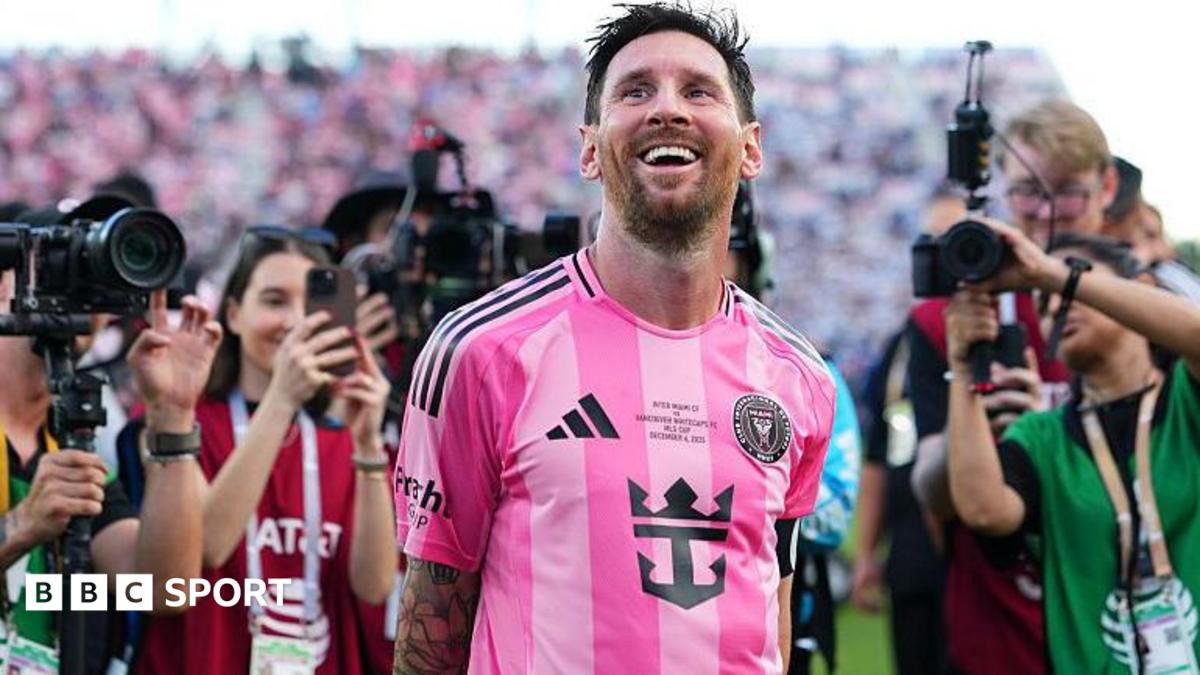
Lionel Messi's move to Inter Miami in 2023 illustrated the commercial scale of player-driven support: social media accounts spiked, shirts sold out, and match tickets commanded high prices. Kirkham said people across the UK and Europe now wear Inter Miami's pink kit 'with zero affiliation to Miami, having never been there,' attributing the effect to Messi rather than the club.
In the summer of 2018, Antoine Griezmann staged a half-hour Spanish television documentary — styled on LeBron James' 2010 announcement of his move to the Miami Heat — to announce his decision on whether to leave Atletico Madrid for Barcelona. Griezmann remained at Atletico, and both he and Gerard Pique, whose company produced the programme, received criticism. Kyle said that kind of 'self-commercialisation' would carry greater impact today if the player were Erling Haaland or Kylian Mbappe.
During this summer's World Cup, Cape Verde goalkeeper Vozinha, described as previously little-known, gained widespread attention after his performances against Spain. The 40-year-old's Instagram following grew from 50,000 to nearly 30 million. Spain and Barcelona forward Lamine Yamal and Jude Bellingham also recorded large increases in followers during the tournament, according to the source.
- The source does not state the sample size or methodology of the 'Rise of the Second Club Fan' study.
- The source does not state when the study was published beyond describing it as before 'this summer's World Cup.'
- The source does not state which World Cup is referred to or its host country, beyond describing it as taking place in North America.
- The source does not provide figures on Inter Miami shirt sales or ticket prices to quantify the commercial impact attributed to Messi's arrival.
- The source does not state Vozinha's full name.
- The source text supplied appears truncated; some material may be missing.