UNICEF said on Wednesday that children are going to bed hungry in at least one in five households in Lebanon, and that a similar share of families lack enough safe drinking water. The UN children's agency said prolonged conflict and displacement have left an estimated 770,000 children and young people suffering psychological distress, as families face rising food insecurity, interrupted schooling, limited health care and shrinking economic prospects.
UNICEF says one in five Lebanon households have children going to bed hungry
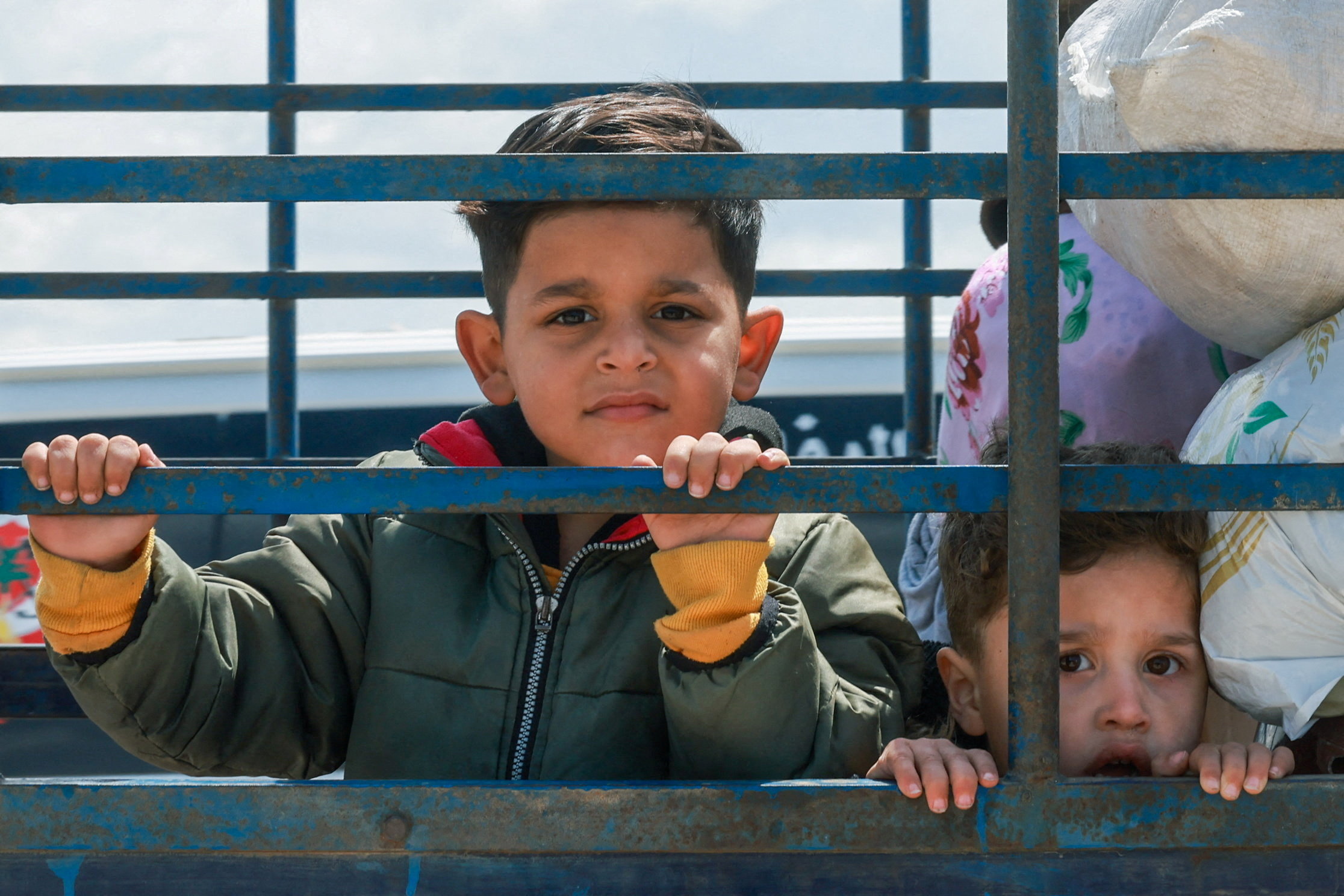
UNICEF said on Wednesday that children are going to bed hungry in at least one in five households in Lebanon, and that a similar share of families lack enough safe drinking water. The UN children's agency said prolonged conflict and displacement have left an estimated 770,000 children and young people suffering psychological distress, as families face rising food insecurity, interrupted schooling, limited health care and shrinking economic prospects.
In a September report, UNICEF said about one-third of surveyed families reported their children had missed needed medical care, primarily because they could not afford it. Fourteen percent said at least one child was working, more than double the proportion reported in January 2025.
UNICEF said that since March 2, at least 261 children have been killed and 1,056 injured, an average of seven children killed or wounded each day over six months. About 12 percent of injured children are now living with disabilities, the agency said.
On education, UNICEF said 436 schools have been damaged or destroyed, putting roughly 100,000 children at risk of losing access to education, and that 86 teachers have been killed or injured. It said 46 percent of families reported reducing spending on education and 17 percent said their children had stopped attending school, while among children still enrolled, 29 percent were unable to learn as expected, often because of emotional distress or difficulty concentrating.
More than half of households reported that their children's emotional well-being had deteriorated over the previous six months, and 63 percent said their children were anxious or nervous, UNICEF said. The agency said humanitarian aid alone cannot address the scale of need in Lebanon.
Nearly six months after an April 17 ceasefire agreement between Lebanon and Israel intended to halt hostilities involving Hezbollah and the Israeli military, airstrikes and home demolitions have continued, UNICEF said. More than 1 million people were displaced in the weeks after the escalation, and nearly 330,000 have not returned because of continued attacks and widespread destruction in southern Lebanon, according to the agency.
- The source does not state the year of the March 2 date from which UNICEF counted child casualties.
- The source does not state the year of the April 17 ceasefire agreement between Lebanon and Israel.
- The source does not state the sample size or survey method behind the figures cited from UNICEF's September report.
- The source does not state whether Israel or Hezbollah responded to the UNICEF findings.
- The source does not give the calendar date of the Wednesday statement, which is described only by weekday.
Read the original at Arab News